
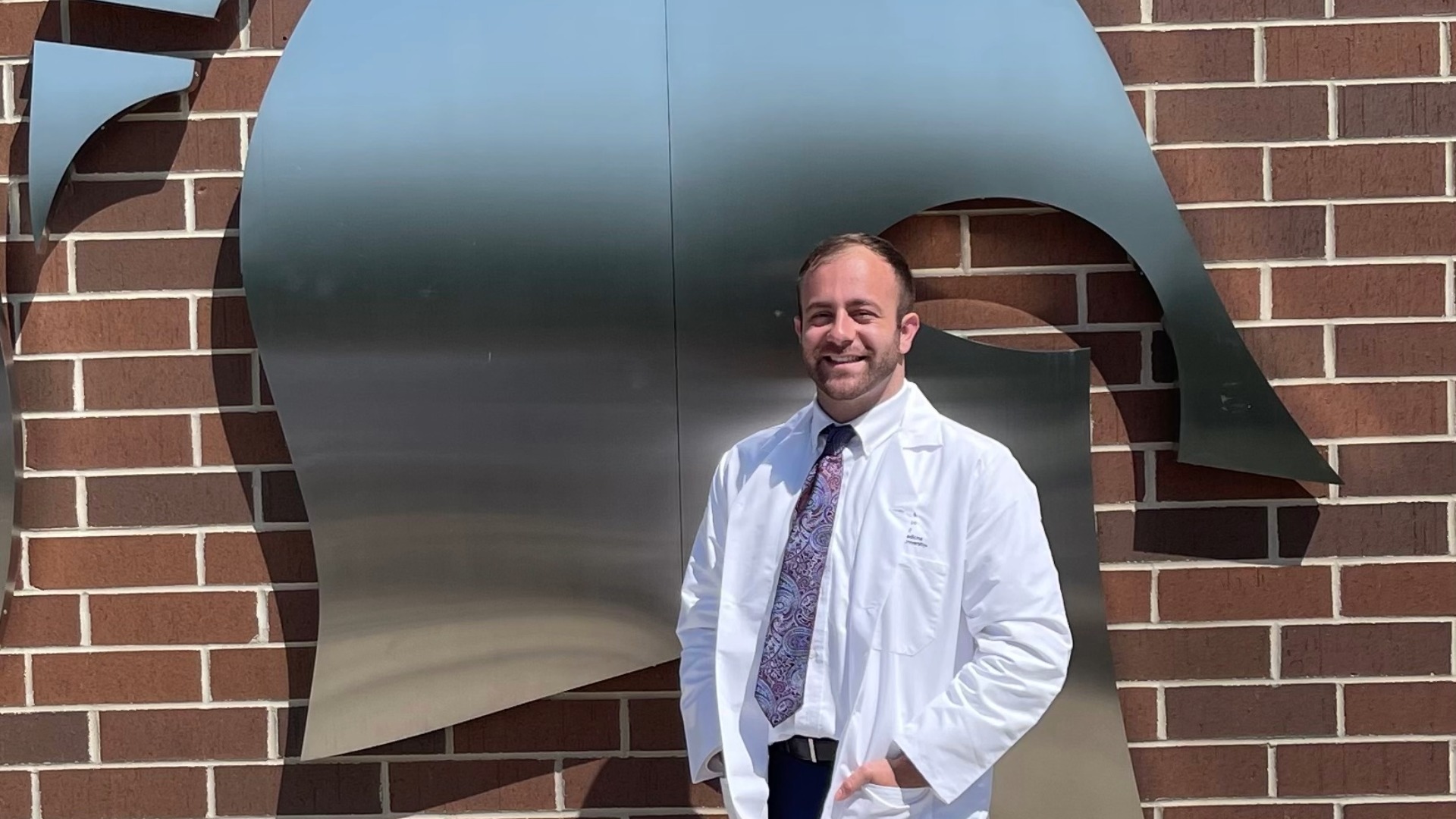
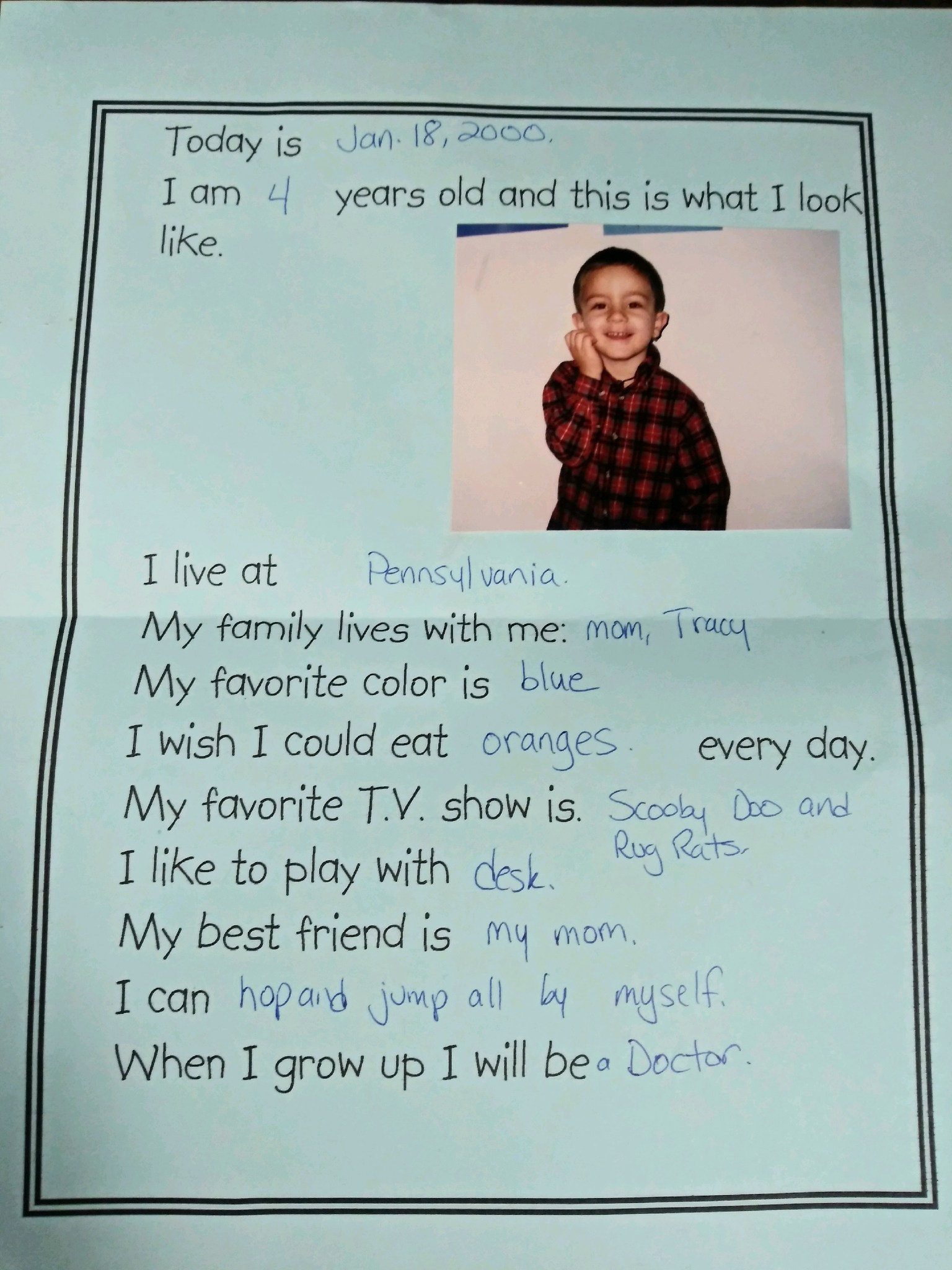
For one Michigan State University College of Osteopathic Medicine student, the path to medicine began long before medical school. Growing up in Pittsburgh, Pa., Alex Pasculle, D.O., always imagined becoming a physician. When he recently opened a preschool time capsule, he created as a child, he found a note saying he wanted to be a doctor.
 By age 14, Dr. Pasculle was already taking steps toward that goal. He joined his local fire department as a junior firefighter and quickly became interested in the medical side of emergency response. At 16, he began training as an emergency medical technician while still in high school.
“I always liked the emergency side of things,” Dr. Pasculle said. “I liked being able to help and understand the science behind what was happening.”
Working in emergency services at such a young age meant he was often surrounded by older and more experienced colleagues. The environment pushed him to study harder and build confidence in his skills.
“I was usually the youngest person there,” Dr. Pasculle said. “I felt like I had to work harder to make sure I really understood what I was doing.”
During his senior year of high school, that preparation became critical. One morning Dr. Pasculle arrived at school as the fire alarm sounded. Shortly after, a student ran toward him with serious injuries from a stabbing attack that was unfolding inside the building.
Using his EMT training, Dr. Pasculle immediately began helping injured students. He used clothing as tourniquets, packed wounds and coordinated emergency response until additional medical teams arrived. In total, 22 people were injured and no one died.
The experience became a defining moment in his journey toward medicine.
“It showed me that I wanted to continue this work and pursue medicine,” Dr. Pasculle said.
After graduating, he continued working in emergency services while completing his undergraduate and graduate education. He remained active in EMS, participated in emergency preparedness initiatives with FEMA and taught preparedness and CPR courses while still a teenager.
Those experiences continued through college and graduate school. During one incident on campus, Dr. Pasculle assisted a student experiencing a seizure while waiting for emergency services to arrive. “You learn to stay focused when things are happening around you,” he said.
When he received his acceptance to the MSU College of Osteopathic Medicine, Dr. Pasculle described it as one of the best days of his life. “I had never lived in Michigan before, but MSUCOM is an incredible school and I was excited for the opportunity,” he said.
Over the past four years as an osteopathic medical student, Dr. Pasculle has embraced the challenges of medical school while preparing for a career in emergency medicine. During his final year, he completed several emergency medicine audition rotations across Michigan and Ohio while preparing for residency interviews. “It definitely keeps you on your A game,” Dr. Pasculle said. “You are meeting new teams every month and working to show what you can do.”
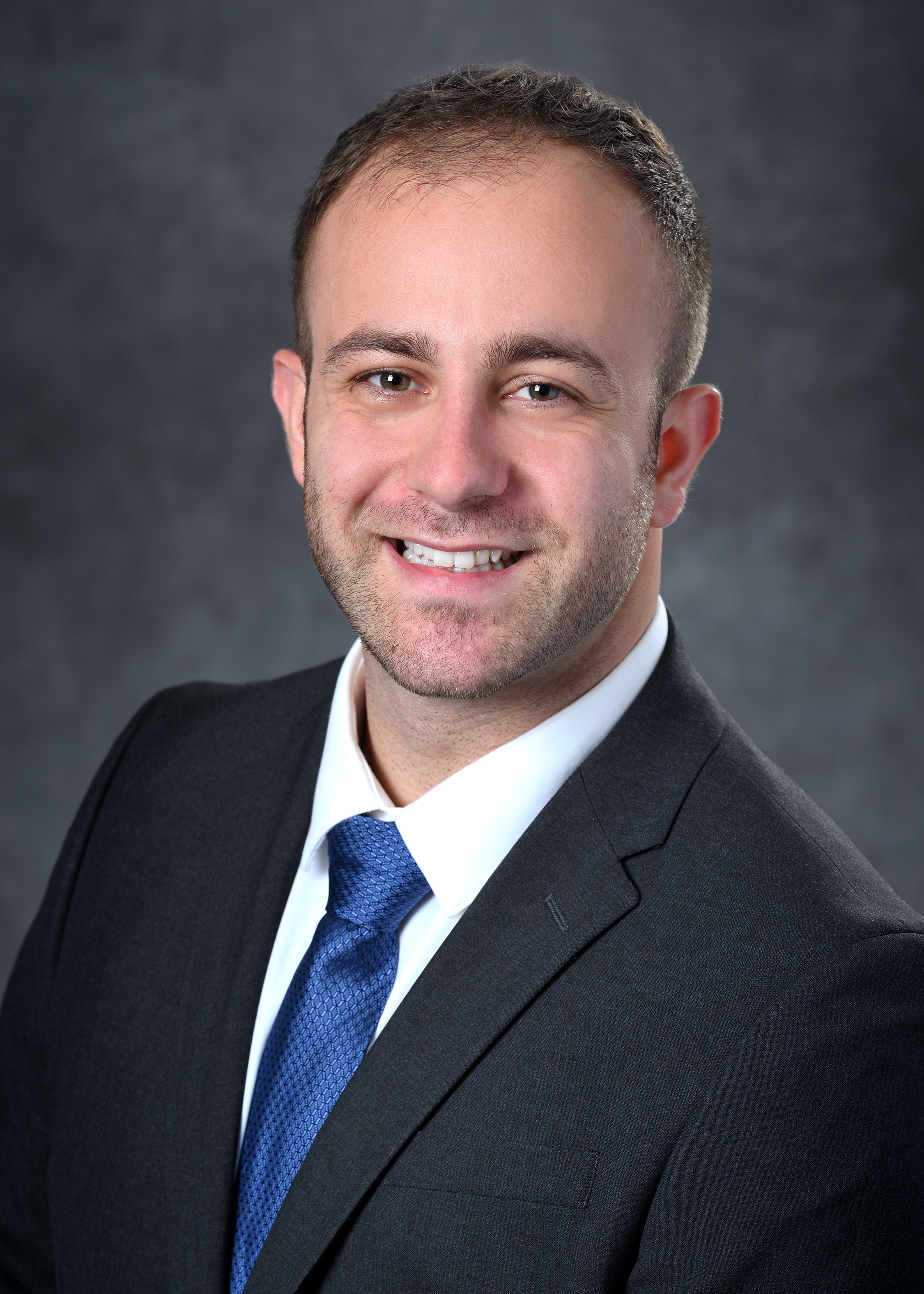 The work paid off as he matched into Emergency Medicine at the University of Michigan Health-West, Wyoming, Mich., which is also one of MUSCOM’s Graduate Medical Education Alliance members.
Dr. Pasculle credits the support of mentors, faculty and classmates for helping him succeed. One mentor who had a significant impact was J’Aimee Lippert, D.O., associate dean for Admissions and Student Affairs, who interviewed him during the admissions process and later served as a faculty mentor.
Before residency begins, he is also looking forward to taking a short break after years of demanding training. “For the first time in a long time, I will not have something due,” Dr. Pasculle said with a laugh.
Reflecting on his journey, Dr. Pasculle says his experiences in emergency response continue to shape how he approaches medicine. “Those experiences helped prepare me,” he said. “They taught me how to stay calm and focus on helping people when it matters most.”
As Dr. Pasculle prepares to begin residency, the next step in his journey feels like a natural continuation of the work he began years ago as a young first responder.
By Alex Ziouras
For one Michigan State University College of Osteopathic Medicine student, the path to medicine began long before medical school. Growing up in Pittsburgh, Pa., Alex Pasculle, D.O., always imagined becoming a physician. When he recently opened a preschool time capsule, he created as a child, he found a note saying he wanted to be a doctor.
By age 14, Dr. Pasculle was already taking steps toward that goal. He joined his local fire department as a junior firefighter and quickly became interested in the medical side of emergency response. At 16, he began training as an emergency medical technician while still in high school.
“I always liked the emergency side of things,” Dr. Pasculle said. “I liked being able to help and understand the science behind what was happening.”
Working in emergency services at such a young age meant he was often surrounded by older and more experienced colleagues. The environment pushed him to study harder and build confidence in his skills.
“I was usually the youngest person there,” Dr. Pasculle said. “I felt like I had to work harder to make sure I really understood what I was doing.”
During his senior year of high school, that preparation became critical. One morning Dr. Pasculle arrived at school as the fire alarm sounded. Shortly after, a student ran toward him with serious injuries from a stabbing attack that was unfolding inside the building.
Using his EMT training, Dr. Pasculle immediately began helping injured students. He used clothing as tourniquets, packed wounds and coordinated emergency response until additional medical teams arrived. In total, 22 people were injured and no one died.
The experience became a defining moment in his journey toward medicine.
“It showed me that I wanted to continue this work and pursue medicine,” Dr. Pasculle said.
After graduating, he continued working in emergency services while completing his undergraduate and graduate education. He remained active in EMS, participated in emergency preparedness initiatives with FEMA and taught preparedness and CPR courses while still a teenager.
Those experiences continued through college and graduate school. During one incident on campus, Dr. Pasculle assisted a student experiencing a seizure while waiting for emergency services to arrive. “You learn to stay focused when things are happening around you,” he said.
When he received his acceptance to the MSU College of Osteopathic Medicine, Dr. Pasculle described it as one of the best days of his life. “I had never lived in Michigan before, but MSUCOM is an incredible school and I was excited for the opportunity,” he said.
Over the past four years as an osteopathic medical student, Dr. Pasculle has embraced the challenges of medical school while preparing for a career in emergency medicine. During his final year, he completed several emergency medicine audition rotations across Michigan and Ohio while preparing for residency interviews. “It definitely keeps you on your A game,” Dr. Pasculle said. “You are meeting new teams every month and working to show what you can do.”
The work paid off as he matched into Emergency Medicine at the University of Michigan Health-West, Wyoming, Mich., which is also one of MUSCOM’s Graduate Medical Education Alliance members.
Dr. Pasculle credits the support of mentors, faculty and classmates for helping him succeed. One mentor who had a significant impact was J’Aimee Lippert, D.O., associate dean for Admissions and Student Affairs, who interviewed him during the admissions process and later served as a faculty mentor.
Before residency begins, he is also looking forward to taking a short break after years of demanding training. “For the first time in a long time, I will not have something due,” Dr. Pasculle said with a laugh.
Reflecting on his journey, Dr. Pasculle says his experiences in emergency response continue to shape how he approaches medicine. “Those experiences helped prepare me,” he said. “They taught me how to stay calm and focus on helping people when it matters most.”
As Dr. Pasculle prepares to begin residency, the next step in his journey feels like a natural continuation of the work he began years ago as a young first responder.
By Alex Ziouras