The Michigan State University College of Osteopathic Medicine stands as a leader in healthcare education, research, and service.
With over 50 years of history, we have established a proud tradition of producing highly skilled osteopathic physician-scientists, PAs, graduate students, residents, and fellows who advance healthcare worldwide. The Michigan State University College of Osteopathic Medicine (MSUCOM) is committed to advancing the health and well-being of communities through the integration of innovative education, world-class research, and patient-centered care. Our comprehensive academic programs, including the Doctor of Osteopathic Medicine (DO) degree, Master of Science degree in PA Medicine, and advanced graduate programs in pharmacology and toxicology, global health, and biomedical sciences, prepare students to be compassionate, skilled, and resilient healthcare leaders.
MSUCOM trains students in a collaborative interprofessional education environment, preparing them for the complexities of modern healthcare. Our students have access to a variety of clinical experiences in Michigan, across the nation, and around the world. MSUCOM’s clinical programs emphasize the importance of developing an integrated approach to patient care. This integration of clinical expertise and compassionate care ensures that our graduates are prepared to meet the healthcare challenges of tomorrow.
MSUCOM also leads all osteopathic medical schools in conducting biomedical research, particularly in areas that address pressing health issues such as neurological diseases, autoimmunity, obesity, infectious diseases, vascular diseases, cancer, and population health. Our faculty conducts innovative research that not only advances scientific knowledge but also has a direct impact on improving patient outcomes and informing clinical practice. The collaboration between MSUCOM and other MSU departments and external partners further enhances our ability to translate discoveries from the lab to the bedside. In addition to research, MSUCOM is engaged with the community, providing a range of services through our clinics, Street Medicine, and outreach programs, further solidifying our role as a trusted healthcare resource in Michigan and beyond.
The ongoing strategic planning process will ensure that we remain at the forefront of healthcare education and continue to evolve in response to the needs of our students, faculty, and the communities we serve. The plan will also help inform resource allocation to areas identified as priorities within the plan. Our commitment to fostering an inclusive and innovative environment is at the heart of everything we do, and we are excited to chart the course for the next chapter in osteopathic medicine at MSU.
In May 2024, two months after Dean deJong started as dean, she empowered the College to begin on a journey to define its strategic direction for the coming years, aligning our vision and mission with the evolving needs of our college, the university, and the healthcare community. Our strategic planning process was structured to engage our diverse community—faculty, staff, students, alumni, and external partners—through an inclusive, data-informed approach.
The process began with the formation of a Strategic Planning Steering Committee (SPSC) in April, comprising eighteen dedicated members chosen from a pool of forty-eight nominations. SPSC members were selected for their expertise, systems-thinking abilities, and representation across our East Lansing, Detroit, and Macomb sites and other key stakeholder groups, ensuring a broad spectrum of perspectives. This committee, alongside the Academy for Advancing Leadership (AAL), is leading an integrated and comprehensive planning effort to shape a sustainable and aspirational future for MSUCOM.
Key steps in our journey:
Initial Retreat:
In May, the SPSC held its first retreat, discussing strategic planning concepts, reviewing an osteopathic-focused environmental scan, and examining input gathered from a preliminary survey. Interim Provost Jeitschko underscored the importance of MSUCOM in advancing MSU’s mission and encouraged the committee to draw from the university’s resources.
Community Engagement:
In June, a comprehensive survey launched across MSUCOM to collect feedback, generating robust engagement with 242 submissions. This was followed by focus groups and interviews with internal and external stakeholders, enriching our understanding of the community’s aspirations and challenges.
Data Analysis and Collaboration:
Throughout the summer, AAL conducted interviews with key university leaders, and the SPSC collaborated with the DEI committee to incorporate perspectives on diversity, equity, and inclusion. These insights are central to our values and strategic priorities.
Working Groups and Focus Groups:
In October, dedicated working groups collaborated to refine the mission, vision, values, and strategic goals, laying the foundation for a comprehensive draft of the strategic plan. In November, focus groups provided critical feedback on the draft plan, offering suggestions to enhance its clarity and alignment with the community’s shared vision. These groups brought together diverse perspectives to ensure the plan reflects our commitment to excellence and innovation.
Collectively, our goal was to create a strategic plan that positions MSUCOM for excellence, uniting us as One Team in our commitment to innovative education, impactful research, compassionate care, and community-centered service.
As we look to the future, and per President Guskiewicz’s vision of One Team, One Health, we are focused on new opportunities to expand our impact by working more closely with the College of Human Medicine and other health-focused disciplines at MSU. By strengthening collaboration across medical education and research, we can unlock innovative solutions in healthcare, enhance training opportunities, and leverage shared expertise to better serve our students and communities. Together, as one team, we have the potential to shape the future of health sciences at MSU—driving advancements in AI, lifestyle medicine, and interdisciplinary care that will define the next generation of healthcare professionals.
Mission, Vision, & Values
As part of our strategic planning process, we conducted a comprehensive review of our mission statement and vision to ensure they reflect our evolving priorities and aspirations. This process involved thoughtful input from across the MSUCOM community, helping us to articulate our core purpose and goals with renewed clarity. In addition, we identified and formed a set of shared values to guide our college forward. These values, along with the refreshed mission and vision, represent our commitment to excellence, innovation, and inclusivity in all that we do. Together, these updates provide a strong foundation that will guide us toward a promising future, inspiring and informing our decisions as we advance osteopathic impact in healthcare and education.
Mission Statement
To prepare healthcare leaders through exceptional osteopathic education, inclusive excellence, and impactful research, improving health outcomes for all communities.
Vision Statement
Pioneering transformative education and research to ensure equitable care for all.
Values
Our mission is grounded in core values that guide our work, relationships, and impact. We are committed to fostering a culture of collaboration, inclusivity, and innovation, where every individual is empowered to excel and lead. These values define who we are and how we lead, care, educate, and serve—driving a future of healthcare that is transformative, compassionate, and accessible to all.
Unite as One Team
Collaborate and offer mutual support
Celebrate the strengths of all team members
Aspire and achieve together
Inspire Service and Leadership
Practice curiosity and purpose in service to patients, colleagues, and communities
Embrace service as a pathway to authentic, people-first leadership
Reflect regularly on personal contributions to foster continual improvement
Deliver Compassionate Care
Deliver holistic, patient-centered care rooted in osteopathic principles
Act with empathy in all encounters
Listen actively and with curiosity
Champion Respect, Inclusion, and Engagement
Sustain an environment in which all thrive
Cultivate a welcoming culture
Ask questions and presume goodwill
Advance Innovation and Research
Adopt a spirit of inquiry
Seek collaborative opportunities
Encourage innovation and imaginative thinking
Strategic Goals and Objectives
Our strategic plan is centered around five key goals that will guide osteopathic education toward a future of excellence, impact, and valuing of every person. These goals, developed through collaborative input and aligned with our refreshed mission, vision, and values, provide a clear direction for our college’s continued growth. Each goal is supported by specific, actionable objectives designed to strengthen our contributions to healthcare, education, and community well-being. Together, these five goals will help us meet the evolving needs of our students, faculty, staff, patients, and all community members.
Produce Exceptional Graduates Capable of Leading the Evolution of Healthcare
Objective 1: Deliver transformative learning experiences and foster student development by equipping faculty and staff with the tools, resources, and environments needed to inspire, mentor, and lead.
Outcomes:
Graduates will demonstrate advanced medical knowledge, a strong professional identity, and the leadership skills necessary to navigate and influence a rapidly evolving healthcare landscape.
Faculty and staff will access and utilize innovative instructional tools, teaching methods, professional development, and both physical and digital learning environments that support high-impact teaching and student engagement.
Sample strategies:
Convene an external advisory board of alumni, industry leaders, and community partners to provide strategic insight and align curricular innovation with evolving workforce demands.
Conduct a comprehensive needs assessment and benchmarking analysis involving experts from the College of Education and COM faculty, staff, and students to identify gaps in resources, infrastructure, and training essential for modernizing curriculum delivery.
Develop a curriculum transformation roadmap that incorporates assessment findings and advisory board recommendations to define strategic priorities, timelines, and required investments.
Establish and expand strategic partnerships with technology and healthcare organizations to enhance curricular content, learning environments, and student opportunities.
Objective 2: Prepare graduates to thrive in a rapidly evolving healthcare landscape by integrating artificial intelligence, interprofessional education (IPE), emerging technologies, and precision education into the learning experience.
Outcomes:
Students are prepared to lead in healthcare systems shaped by innovation, digital transformation, and data-informed decision-making.
Learning outcomes improve through precision education strategies that personalize instruction and support skill mastery using AI and analytics.
Faculty adopt and are recognized for forward-thinking, collaborative, and tech-enabled teaching practices that align with institutional values.
Training in osteopathic manual medicine (OMM) and biomechanical competencies is expanded, reinforcing their relevance in data-driven, patient-centered care.
Interprofessional education (IPE) is broadened across MSU and affiliated clinical sites, emphasizing real-world, team-based care—particularly in rural and underserved communities.
Sample strategies:
Conduct a landscape analysis of best practices in AI, digital tools, and precision learning in medical education to guide curricular innovation.
Launch a faculty recognition program that honors excellence in teaching innovation, interprofessional collaboration, and technology integration.
Inventory and map current IPE initiatives across MSU to identify strengths, gaps, and areas for coordinated expansion.
Establish a cross-disciplinary IPE Committee to design and deliver high-impact, in-person IPE experiences aligned with workforce needs (e.g., DO, MD, PA, pharmacy, nursing).
Develop a comprehensive plan to expand OMM and biomechanical training across the curriculum, informed by feedback from clinical partners and population health experts.
Objective 3: Expand and strengthen clinical training through strategic partnerships across Michigan, the nation, and the globe.
Outcomes:
Students gain experience in diverse clinical environments that reflect the communities and contexts in which they will practice.
Access to distant or underserved sites increases through targeted support strategies such as travel stipends, housing assistance, and transportation coordination.
Global health rotations expand, offering students meaningful and relevant international healthcare experiences.
State-level legislation is advanced to prioritize clinical placement opportunities for Michigan-based medical students, supporting workforce development and health equity.
Sample strategies:
Establish new clinical rotation sites, especially in underserved areas, by partnering with healthcare organizations, MSU Extension, and national/state health initiatives.
Design and launch incentive programs to recognize and reward clinical partners that contribute to medical education across the learner continuum (students, residents, fellows).
Implement annual satisfaction and quality surveys for students and preceptors to evaluate clinical training experiences across urban, rural, and global sites—with goals for site diversity expansion by 2026.
Develop workshops for new preceptors, using a mentorship model to ensure consistency and excellence in clinical teaching.
Collaborate with MSU Government Relations to draft legislative proposals that prioritize clinical training opportunities for students in Michigan.
Objective 4: Strengthen career readiness and professional development to ensure student success beyond graduation.
Outcomes:
Graduates demonstrate leadership proficiency, civic responsibility, and the ability to navigate complex, real-world challenges as part of their professional identity.
Students demonstrate career readiness and cultivate practical understanding of post-graduation education and career options.
MSUCOM is recognized as a leader among medical schools for its service-learning opportunities that integrate academic preparation with community engagement and osteopathic principles.
Sample strategies:
Expand access to professional development resources that focus on leadership, communication, personal wellness, and the transition to residency to support holistic career preparation.
Recognize and celebrate exemplary alumni and mentors through awards programs and offer CME credit for meaningful student engagement and mentorship activities.
Develop a structured professional development series or digital toolkit featuring workshops and modules on essential non-clinical skills such as teamwork, financial literacy, conflict resolution, and career planning.
Support mentorship expansion efforts such as the Together We Thrive program.
Grow and integrate service-learning opportunities in collaboration with community partners, embedding them into the curriculum to promote experiential learning grounded in osteopathic values.
Objective 5: Foster a culture that develops leadership and professionalism to produce responsible clinicians and researchers.
Outcomes:
Leadership and professionalism training is embedded and accessible for all members of the learning community—including faculty, staff, students, and clinical educators— supporting a culture of shared responsibility and continuous growth.
Behavioral expectations and shared norms are consistently understood and upheld across all learning environments.
Sample strategies:
Launch a collaborative forum for faculty and instructional staff to co-create behavioral expectations and community norms within their learning spaces.
Enhance the curriculum with ethical reasoning, reflective practice, and leadership development through active learning methods such as case studies, simulations, role-play, and structured writing assignments.
Partner with the Curriculum Committee to map and embed ethical reasoning and professionalism competencies throughout all phases of the curriculum.
Charge the Common Ground Professionalism Initiative Advisory Team with steering professionalism and leadership efforts, resolving concerns, and promoting accountability across educational settings.
Introduce a workshop series that supports integration of leadership principles and professional identity development into advising, instruction, and role modeling.
Expand Access to Medical Education and Healthcare
Objective 1: Integrate respect, inclusion, and engagement as core operational principles to drive innovation and belonging.
Outcomes:
College-wide communications are shared regularly with the college community to promote transparency and accountability.
Individuals and teams are recognized annually for advancing osteopathic excellence in ways that build communities of belonging, increase access to osteopathic medical care, and align with the college’s mission and values.
College climate assessments reflect a positive, inclusive, and respectful environment for working, teaching, and learning.
Sample strategies:
Facilitate recurring forums that support civil discourse, shared learning, and collaborative dialogue on equity, inclusion, and belonging.
Regularly assess college climate, highlight progress, and identify areas for growth.
Launch a professional excellence mentoring and recognition program to celebrate meaningful contributions by faculty, staff, and students.
Design and deliver leadership development workshops focused on inclusive supervision, equitable decision-making, and strategies for fostering belonging.
Objective 2: Matriculate and graduate classes prepared to serve the U.S. population, aligned with osteopathic principles and in advancement of the mission and vision of the college.
Outcomes:
Student belonging improves through expanded mentorship opportunities, supportive programs, and support for emergent financial issues.
Adequate support systems ensure students’ personal, professional, and educational success.
Classrooms provide a welcoming environment for students of all backgrounds and perspectives.
First-time pass rates for board exams improve along with four- and six-year graduation rates.
Fewer student cases are heard by the Committee of Student Evaluation (COSE).
Outcome disparities among students are reduced and eliminated.
Sample strategies:
Audit and strengthen pre-matriculation and yield strategies.
Conduct a feasibility study for a bridge or post-baccalaureate program designed to support first-generation and socioeconomically disadvantaged applicants.
Establish mentorship networks—including peer, faculty, and alumni mentors—that reflect and support the lived experiences of MSUCOM students.
Objective 3: Reduce financial barriers to medical education.
Outcomes:
Indirect educational expenses (e.g., equipment, travel, technology) reduce through targeted identification and institutional support.
Basic needs security improves as students connect to resources that address food, housing, and transportation challenges.
Affordability increases through expanded access to scholarships, loan forgiveness programs, and in-state tuition pathways.
Sample strategies:
Conduct a hidden cost audit and publish findings to inform institutional investment, philanthropy, and student support strategies.
Establish partnerships with healthcare companies, foundations, and alumni to donate equipment or fund essential student needs.
Create a centralized online resource hub for scholarships, financial aid, student wellness, and basic needs support.
Engage with policy and government stakeholders to explore pathways for expanding in-state tuition eligibility and regulatory support for affordability initiatives.
Objective 4: Address health disparities across Michigan through research and service.
Outcomes:
Access to healthcare improves in rural, urban, and underserved communities through increased student and faculty engagement in service and outreach.
Community-academic partnerships deepen through reciprocal collaborations that integrate teaching, service, and research to address local health priorities.
Sample Strategies:
Establish a mini-grant program that supports faculty and student-led service-learning initiatives with explicit health equity goals.
Highlight service and impact stories through newsletters, social media, and recognition events to elevate community engagement and inspire participation.
Align community-engaged research with the needs of individual Michigan communities, emphasizing long-term partnerships built on trust, reciprocity, and shared outcomes.
Leverage the Foundry for Innovative Research and Education (FIRE) program’s integration of research and service to impact health disparities in Michigan communities.
Objective 5: Increase graduates practicing in health professions shortage areas.
Outcomes:
Graduate and alumni training and practice areas are tracked and the college sets goals to impact high-need communities and specialties.
More graduates enter shortage areas through expanded use of targeted programs such as the National Health Service Corps, MIDOCs, and rural residency tracks.
New residency and fellowship programs increase capacity in high-need specialties and regions.
Recruitment and placement efforts are strengthened in rural, multilingual, and socioeconomically disadvantaged communities.
Clerkship placements in rural and underserved settings are expanded, increasing student exposure and interest in high-need communities.
Graduates begin practicing sooner through accelerated degree pathways designed to address urgent workforce needs.
Sample strategies:
Engage stakeholders to assess feasibility of an intensive 3+3 program for students committed to primary care in shortage areas.
Establish a Rural and Underserved Residency Pipeline Committee to guide expansion efforts, secure partnerships, and align clinical training with community needs.
Partner with MSU IMPART Alliance to create meaningful educational and student research experiences in geriatrics and direct care environments.
Track graduate placement outcomes, including practice specialty and location, and set retention benchmarks for underserved areas by 2028.
Expand Research and Scholarly Activity at MSUCOM
Objective 1: Position MSUCOM as a national and global leader in foundational science and clinical research.
Outcomes:
National recognition for excellence in osteopathic, integrative, complementary, and basic science research aligned with NIH, NCCIH, and other research priorities.
Recruitment and retention of high-performing faculty across disciplines, including foundational sciences, with strong research portfolios and funding records.
A robust research pipeline spanning bench to bedside, supported by mentorship, research training, and early engagement of both students and faculty.
Expanded global visibility through international collaborations, joint publications, exchange programs, and participation in high-impact conferences.
The OMM department is recognized as a translational research hub, advancing the understanding and application of osteopathic techniques and their mechanical foundations.
Increased interdisciplinary partnerships across health sciences, engineering, and life sciences to promote innovation in both basic and applied research.
Sample strategies:
Benchmark top research institutions (including those with NIH-funded osteopathic and basic science programs) to identify aspirational models and strategic opportunities.
Implement a competitive research recruitment and retention plan, inclusive of attractive startup packages, protected time for research, relocation assistance, and cross-disciplinary appointment opportunities.
Formalize a research onboarding program that connects new faculty with essential resources: IRB support, grant development assistance, access to lab space and core facilities, biostatistics consultation, and compliance training.
Expand the FIRE program (Foundation for Innovation, Research, and Education) to support pilot projects in both basic and clinical science, with an emphasis on interdisciplinary, student-inclusive collaborations.
Strengthen partnerships with Health Colleges Research Services (HCRS) and Office of Research and Innovation to streamline grant submissions, improve post-award management, and increase institutional competitiveness. Enhance internal support for basic science research infrastructure, including access to core lab equipment, shared instrumentation, and seed funding for high-risk/high-reward projects.
Launch a research communications initiative to broadly disseminate MSUCOM research breakthroughs — including clinical trials, translational science, and laboratory discoveries — via strategic media outreach, faculty spotlights, and national conference presence.
Support faculty development programs to build skills in grant writing, research design, and team science, particularly for those working at the intersection of basic and clinical research.
Objective 2: Expand and diversify research partnerships with leading institutions.
Outcomes:
Deeper collaborations with institutions such as Henry Ford Health, McLaren, Corewell Health, and University of Michigan Health through joint research initiatives and shared faculty engagement.
Streamlined processes for identifying collaborators and accessing clinical data and biospecimens to accelerate translational and clinical research.
Increased output of co-authored publications, joint grants, and shared research appointments with partner organizations.
A culture of collaboration where cross-institutional research is visible, supported, and rewarded.
Sample strategies:
Publish a research partnership guide detailing current collaborations, contacts, resources, and best practices for successful collaboration.
Host a quarterly research partnership forum to share opportunities, highlight success stories, and foster new collaborations.
Develop a faculty collaboration platform or directory to connect MSUCOM researchers with investigators at partner health systems.
Conduct a baseline assessment of current joint research activity and set annual goals for growth in proposals, publications, and partnerships.
Objective 3: Expand and enhance student research opportunities through strategic partnerships, dedicated resources, and a culture of scholarship excellence.
Outcomes:
Faculty-student collaboration increases through dedicated funding, mentorship, and access to innovative research infrastructure.
External research opportunities expand via partnerships with hospitals, research centers, and other universities.
A strong research culture encourages and supports students in publishing, presenting, and pursuing scholarly activity.
Sample strategies:
Promote the Foundry for Innovative Research and Education (FIRE) program through an awareness campaign that highlights success stories, available resources, and pathways for involvement.
Launch a faculty-student research incentive program offering stipends, recognition, and professional development for collaborative projects.
Explore flexible academic models to expand research time, including dedicated blocks, electives, or research-for-credit options.
Create a student research certificate program to formally recognize competencies in methodology, data analysis, writing, and presentation.
Strengthen external partnerships, such as with Henry Ford Health, through agreements that grant students access to diverse research environments and interdisciplinary teams.
Build a Culture of Wellness and Health
Objective 1: Foster a thriving wellness culture that supports holistic well-being and professional growth for all members of the MSUCOM community.
Outcomes:
Integrated wellness and career development programs support personal growth, work-life integration, and professional advancement for students, faculty, and staff.
Faculty and staff are equipped with mentoring and coaching skills that support both academic success and personal development.
Expanded professional development pathways are tailored to the unique needs of fixed-term and tenure-system faculty.
Sample strategies:
Launch a comprehensive wellness and career development initiative combining leadership training, coaching, and well-being practices.
Provide coaching workshops or certification opportunities to enhance mentoring capacity across the college.
Establish a structured mentorship program for new faculty with guidance on career progression, wellness, and work-life balance.
Promote university programs focused on career development pathways for fixed-term faculty, including networking and advancement resources.
Objective 2: Implement a comprehensive wellness program impacting teaching, learning, and working cultures.
Outcomes:
A robust, integrated wellness program embeds well-being into curricular and work practices as a core value.
A holistic wellness series, in partnership with community experts, addresses mental health, physical fitness, nutrition, financial health, and stress management topics for students, faculty, and staff.
Mental Health First Aid (MHFA) training is embedded within the curriculum and offered in the workplace to equip the MSUCOM community to support one another during mental health challenges.
Accessible wellness resources are embedded into workplace culture, including fitness programs, counseling services, and financial health workshops.
Sample strategies:
Launch an ongoing wellness series with workshops on financial health, stress management, nutrition, and physical fitness, delivered in collaboration with local experts.
Develop communication plans and incentives to increase awareness and use of MSU’s wellness resources among faculty and staff.
Conduct a feasibility study to integrate MHFA training into student orientation and faculty/staff development programs.
Pilot wellness challenges or programs that incorporate team-building, fitness activities, and mental health support groups to foster community engagement.
Amplify Our Story Across Michigan and Elevate Our National Reputation
Objective 1: Communicate the impact of osteopathic medicine at MSU on communities.
Outcomes:
MSUCOM is nationally recognized for leadership in osteopathic medical education, inclusive excellence, interprofessional education, and innovative, community-embedded research.
Positive media coverage increases, elevating the college’s visibility through features on transformative initiatives — such as addressing racism in medicine, expanding access to care, and advancing osteopathic principles.
An annual impact report highlights MSUCOM’s statewide footprint, new and deepened partnerships, student and faculty achievements, and strategic growth areas, reinforcing its value to Michigan and beyond.
Compelling video content and digital storytelling engage prospective students, alumni, donors, and community stakeholders, bringing MSUCOM’s mission to life with authentic voices and narratives.
Sample strategies:
Develop a statewide advertising strategy that leverages high-visibility platforms — such as airports, transit systems, digital billboards, and social media — to elevate awareness of MSUCOM’s impact across Michigan’s communities.
Publish an annual report that documents progress on strategic goals, displays new and ongoing partnerships, and tells the story of osteopathic medicine’s relevance and reach through data and storytelling.
Leverage platforms like CampusReel and MSU’s existing communications tools to produce high-quality, engaging video content that resonates with students, families, alumni, and community partners.
Sponsor student and faculty participation in national conferences, forums, and community events to increase visibility, build professional networks, and amplify MSUCOM’s leadership voice on national stages.
Collaborate with MSU Communications to secure a targeted number of annual MSU Today stories focused on osteopathic medicine, inclusive health initiatives, faculty impact, and student innovation.
Refresh MSUCOM’s marketing and PR strategy to focus on key areas of strength — such as rural health partnerships, translational research, and community-engaged education — ensuring consistent messaging across digital, print, and in-person platforms.
Integrate storytelling into recruitment and advancement efforts, using testimonials, patient stories, and alumni narratives to demonstrate the real-world impact of MSUCOM’s mission in action.
Objective 2: Strengthen MSUCOM’s reputation across Michigan as a trusted educational and clinical source for health information and expertise.
Outcomes:
MSUCOM is Michigan’s go-to institution for credible health insights and osteopathic expertise.
Faculty are featured regularly in webinars, podcasts, and seminars that engage broad audiences on current health topics and osteopathic principles.
Accessible, patient-friendly online resources exist that empower Michigan residents with actionable health knowledge.
Collaborations with MDHHS on public health initiatives target health disparities and advance health equity statewide.
Sample strategies:
Highlight faculty experts through webinars, podcasts, and seminars addressing public health and osteopathic topics.
Develop and publish patient-friendly online resources focused on health concerns to empower Michigan communities.
Publish a monthly public health column or blog series offering practical health tips and updates on osteopathic care, distributed via local media and digital platforms.
Objective 3: Highlight the unique value of osteopathic medicine and research excellence through strategic communication and partnerships.
Outcomes:
MSUCOM is recognized nationally as the premier institution for osteopathic philosophy, osteopathic manipulative medicine (OMM), and innovative osteopathic education programs.
A stronger partnership with MSU Athletics that demonstrates osteopathic medicine’s impact on sports health, injury prevention, and recovery.
MSUCOM’s research achievements are regularly showcased through an integrated communication strategy that engages faculty, students, and external audiences.
Sample Strategies:
Collaborate with MSU Athletics to feature osteopathic physicians in team care and promote OMM’s role in athletic performance and recovery through shared success stories and joint wellness events.
Promote signature academic programs such as DO-PhD, DO-MBA, DO-MPH, and the Global Health Graduate Certificate that exemplify MSUCOM’s innovative osteopathic education.
Develop and implement dynamic communications across multiple platforms—digital media, newsletters, and institutional reports—to highlight osteopathic medicine and research achievements.
Host quarterly seminars or webinars showcasing research breakthroughs, fostering cross-disciplinary collaboration, and engaging the MSUCOM community.
Produce an annual Research Impact Report summarizing key metrics such as grants, publications, and conference presentations.
Support and incentivize faculty and graduate student participation in conferences and journal submissions through financial assistance for travel and fees.
Promote the annual MSUCOM Research Day to celebrate and recognize outstanding research contributions from faculty, students, and staff.
Objective 4: Strengthen alumni identity and connection to MSUCOM.
Outcomes:
A vibrant, engaged alumni community proud of their MSUCOM experience and actively supporting the college.
An alumni leadership group collaborates with the dean to enhance engagement strategies and opportunities.
Sample strategies:
Assess alumni contact data collection and upkeep to support outreach efforts.
Raise alumni awareness of engagement opportunities, including regional meetups, online CME courses, and networking platforms.
Host regional alumni gatherings and provide accessible online CME courses to promote connection and professional growth.
Organize annual alumni events featuring panel discussions to connect students with alumni insights and career pathways.
Summary
This strategic plan reflects the collective dedication, insight, and vision of a truly engaged osteopathic community. Over three hundred contributors, from students, faculty, alumni, and staff to key leaders and community members, worked diligently to bring this plan to life. Together, we have crafted a roadmap that not only celebrates MSUCOM’s storied history but also boldly advances its mission to enhance healthcare education, patient care, and osteopathic medicine’s impact across Michigan and beyond.
Our shared vision calls for the elevated awareness of MSUCOM’s impact across Michigan’s communities. By raising public appreciation of osteopathic medicine’s significant role in healthcare, and by expanding our visibility, we aim to deepen our connections within the state—reinforcing our commitment to improving lives and demonstrating the powerful role osteopathic medicine plays in healthcare, research, and community wellness.
As we move forward, we recognize the transformative potential of strengthening collaboration across MSU’s health colleges, particularly with the College of Human Medicine. By working together as one unified team, we can harness our collective expertise, expand research capabilities, and enhance training opportunities for the next generation of healthcare professionals. This constructive interaction will allow us to lead advancements in AI-driven medicine, lifestyle-focused care, and interprofessional education—improving patient outcomes and shaping the future of health at MSU and beyond.
This ambitious plan also embodies a spirit of accountability and transparency. Our team of strategic initiative and communication professionals will meticulously track, measure, and report on each goal’s progress, ensuring that our work aligns with our values and resonates with its stakeholders. Quarterly updates will allow us to celebrate milestones, reflect on challenges, and pursue new avenues of improvement, all of which will be available to the community in a comprehensive annual report. To keep our work responsive to the ever-evolving fields of education and healthcare, we will conduct a thorough annual review of the strategic plan’s outcomes.
This plan is a testament to our commitment to excellence in healthcare education. It embodies a shared resolve to be a leader in osteopathic medicine, grounded in the values of inclusivity and innovation, and is a lasting reflection of the passion and purpose that fuel our community. Thank you to everyone who contributed; your dedication has shaped a vision that will continue to inspire and drive MSU’s impact on health for years to come.

 With over 50 years of history, we have established a proud tradition of producing highly skilled osteopathic physician-scientists, PAs, graduate students, residents, and fellows who advance healthcare worldwide. The Michigan State University College of Osteopathic Medicine (MSUCOM) is committed to advancing the health and well-being of communities through the integration of innovative education, world-class research, and patient-centered care. Our comprehensive academic programs, including the Doctor of Osteopathic Medicine (DO) degree, Master of Science degree in PA Medicine, and advanced graduate programs in pharmacology and toxicology, global health, and biomedical sciences, prepare students to be compassionate, skilled, and resilient healthcare leaders.
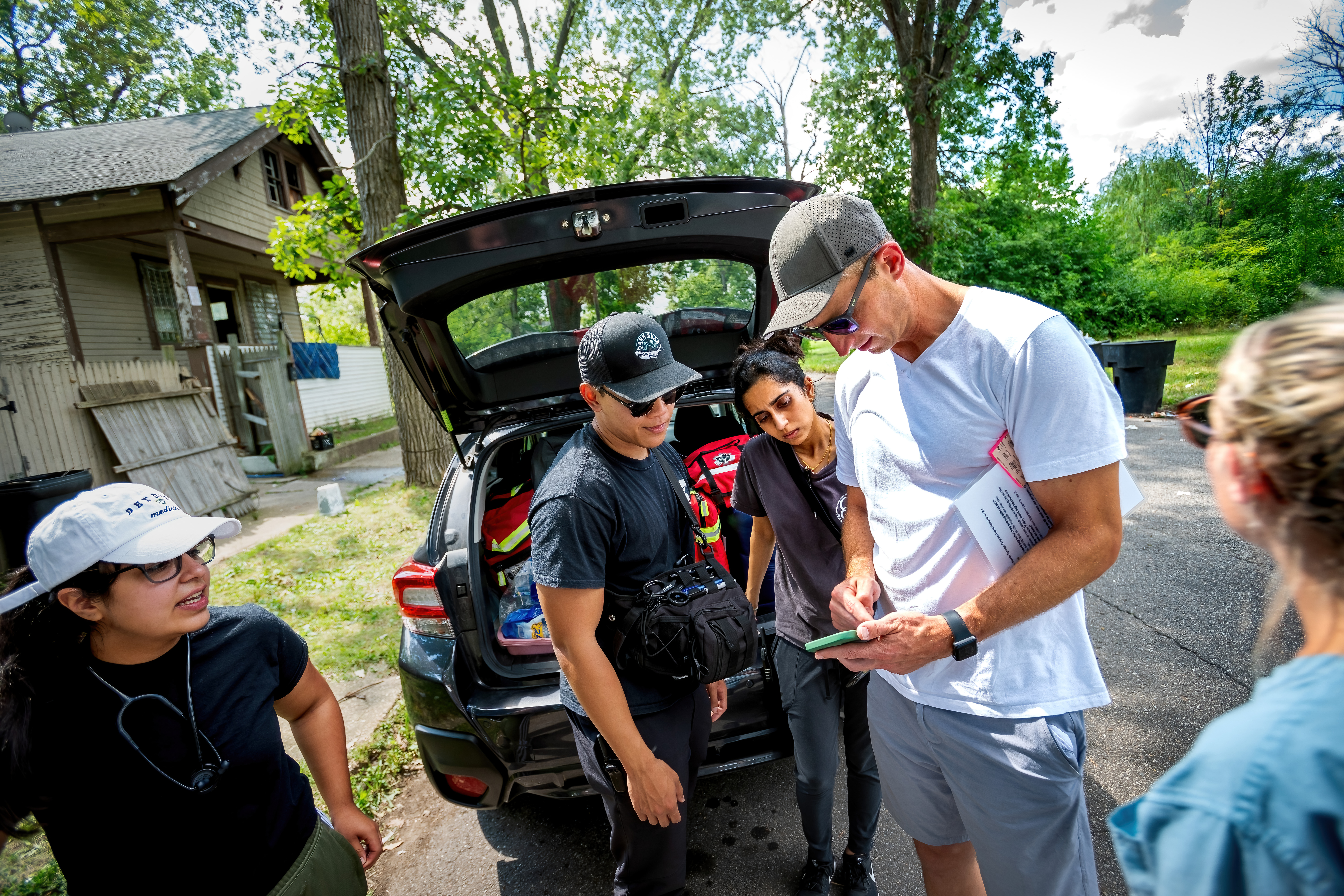 UCOM also leads all osteopathic medical schools in conducting biomedical research, particularly in areas that address pressing health issues such as neurological diseases, autoimmunity, obesity, infectious diseases, vascular diseases, cancer, and population health. Our faculty conducts innovative research that not only advances scientific knowledge but also has a direct impact on improving patient outcomes and informing clinical practice. The collaboration between MSUCOM and other MSU departments and external partners further enhances our ability to translate discoveries from the lab to the bedside. In addition to research, MSUCOM is engaged with the community, providing a range of services through our clinics, Street Medicine, and outreach programs, further solidifying our role as a trusted healthcare resource in Michigan and beyond.