

The Michigan State University College of Osteopathic Medicine (MSUCOM) Department of PA Medicine has earned accreditation-continued status from the Accreditation Review Commission on Education for the Physician Assistant, Inc. (ARC-PA), securing the program’s place in a full 10-year accreditation cycle.
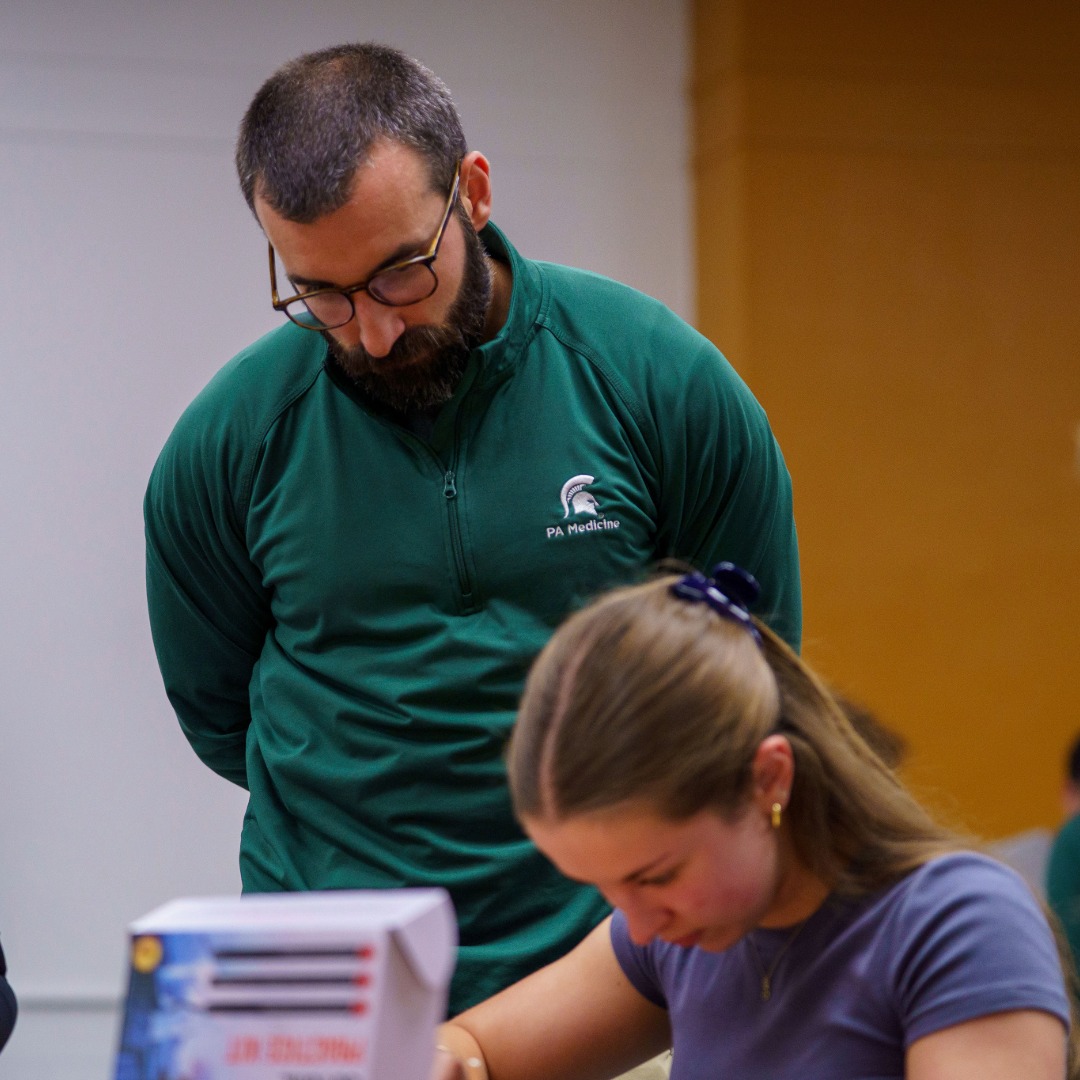 The decision means the program is no longer provisionally accredited. Its next validation review is scheduled for October 2036, contingent on continued compliance with ARC-PA standards and policies. The approved maximum entering class size remains 38.
“This is the culmination of a tremendous amount of work by our faculty and staff to create a unique interprofessional medical program in collaboration with our physician colleagues,” said John McGinnity, M.S., P.A.-C., DFAAPA, chair, MSU Department of PA Medicine. Receiving Accreditation-Continued status, seeing our graduates perform well above national averages on board examinations and preparing them to be day-one ready to practice medicine make all our efforts worthwhile.”
Program growth and student preparation
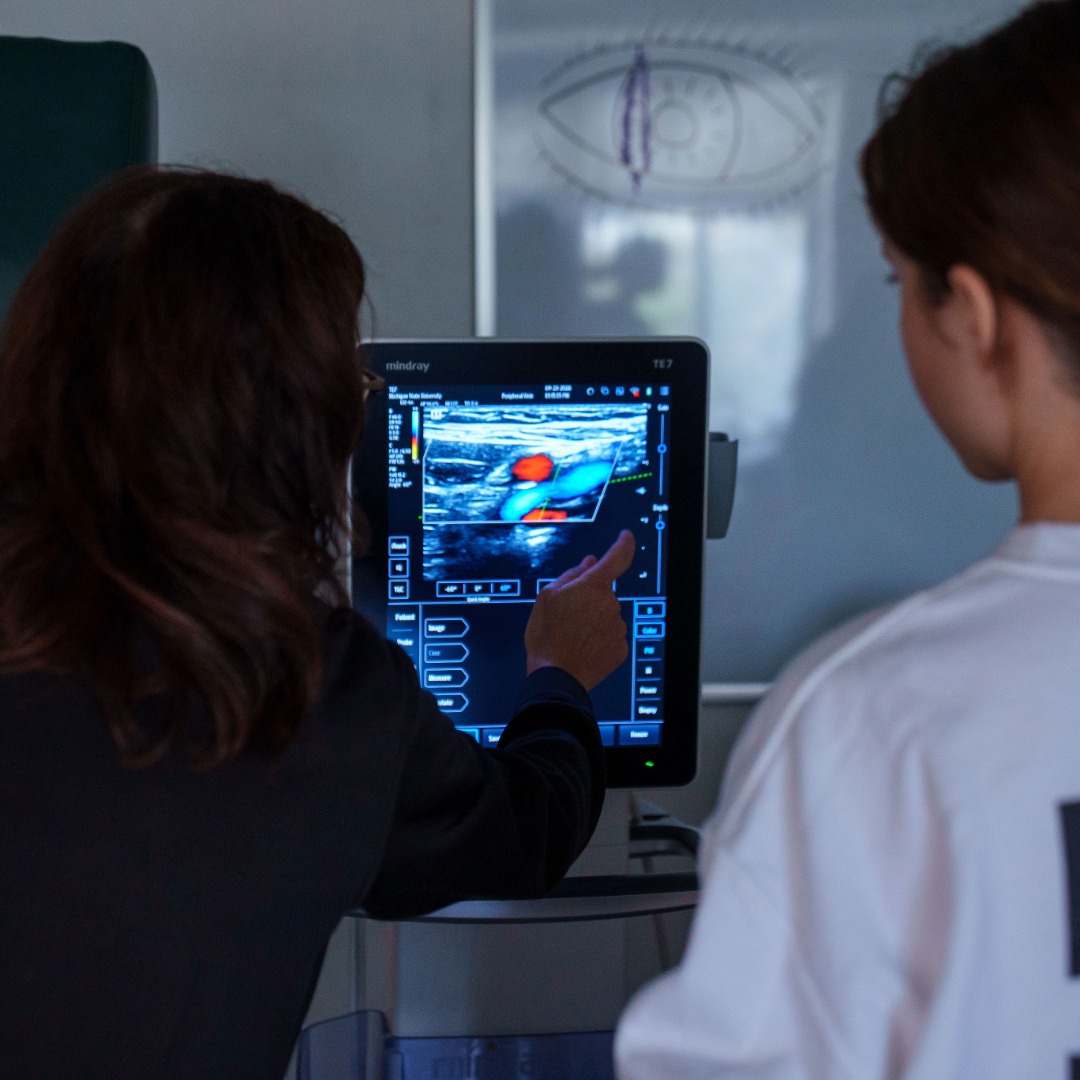 MSUCOM graduated its inaugural PA Medicine class in August 2024. The class of 32 PAs came from across the nation, including Michigan, Idaho, Massachusetts and Illinois. Since then, two more classes have graduated, helping to fill needs in the medical care landscape.
MSU is the only PA program in the state and one of only a few in the country where PA students and D.O. students attend some classes together during their didactic training. The collaboration of students in these two programs helps to improve a team-based approach and emphasizes holistic primary care.
MSU’s 27-month Master of Science in PA Medicine curriculum uses a team-based, interprofessional model that allows PA students to learn alongside MSUCOM Doctor of Osteopathic Medicine (D.O) students, gaining exposure to osteopathic medical philosophy and a holistic approach to patient care, preparing them to enter practice upon graduation.
Learn more about the MSUCOM PA Medicine Accreditation.
By Terri-Hughes Lazzell
The Michigan State University College of Osteopathic Medicine (MSUCOM) Department of PA Medicine has earned accreditation-continued status from the Accreditation Review Commission on Education for the Physician Assistant, Inc. (ARC-PA), securing the program’s place in a full 10-year accreditation cycle.
The decision means the program is no longer provisionally accredited. Its next validation review is scheduled for October 2036, contingent on continued compliance with ARC-PA standards and policies. The approved maximum entering class size remains 38.
“This is the culmination of a tremendous amount of work by our faculty and staff to create a unique interprofessional medical program in collaboration with our physician colleagues,” said John McGinnity, M.S., P.A.-C., DFAAPA, chair, MSU Department of PA Medicine. Receiving Accreditation-Continued status, seeing our graduates perform well above national averages on board examinations and preparing them to be day-one ready to practice medicine make all our efforts worthwhile.”
Program growth and student preparation
MSUCOM graduated its inaugural PA Medicine class in August 2024. The class of 32 PAs came from across the nation, including Michigan, Idaho, Massachusetts and Illinois. Since then, two more classes have graduated, helping to fill needs in the medical care landscape.
MSU is the only PA program in the state and one of only a few in the country where PA students and D.O. students attend some classes together during their didactic training. The collaboration of students in these two programs helps to improve a team-based approach and emphasizes holistic primary care.
MSU’s 27-month Master of Science in PA Medicine curriculum uses a team-based, interprofessional model that allows PA students to learn alongside MSUCOM Doctor of Osteopathic Medicine (D.O) students, gaining exposure to osteopathic medical philosophy and a holistic approach to patient care, preparing them to enter practice upon graduation.
Learn more about the MSUCOM PA Medicine Accreditation.
By Terri-Hughes Lazzell