
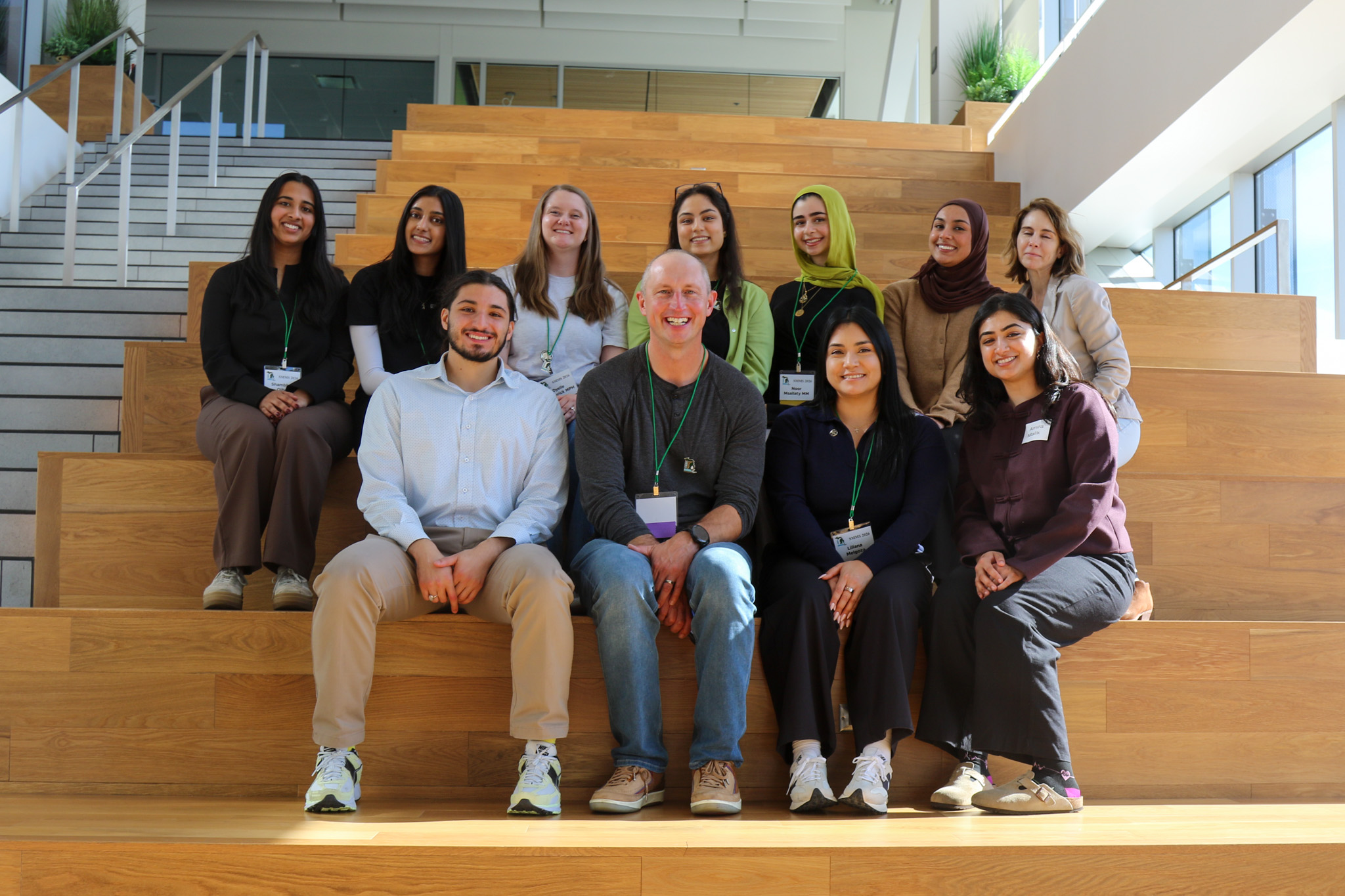
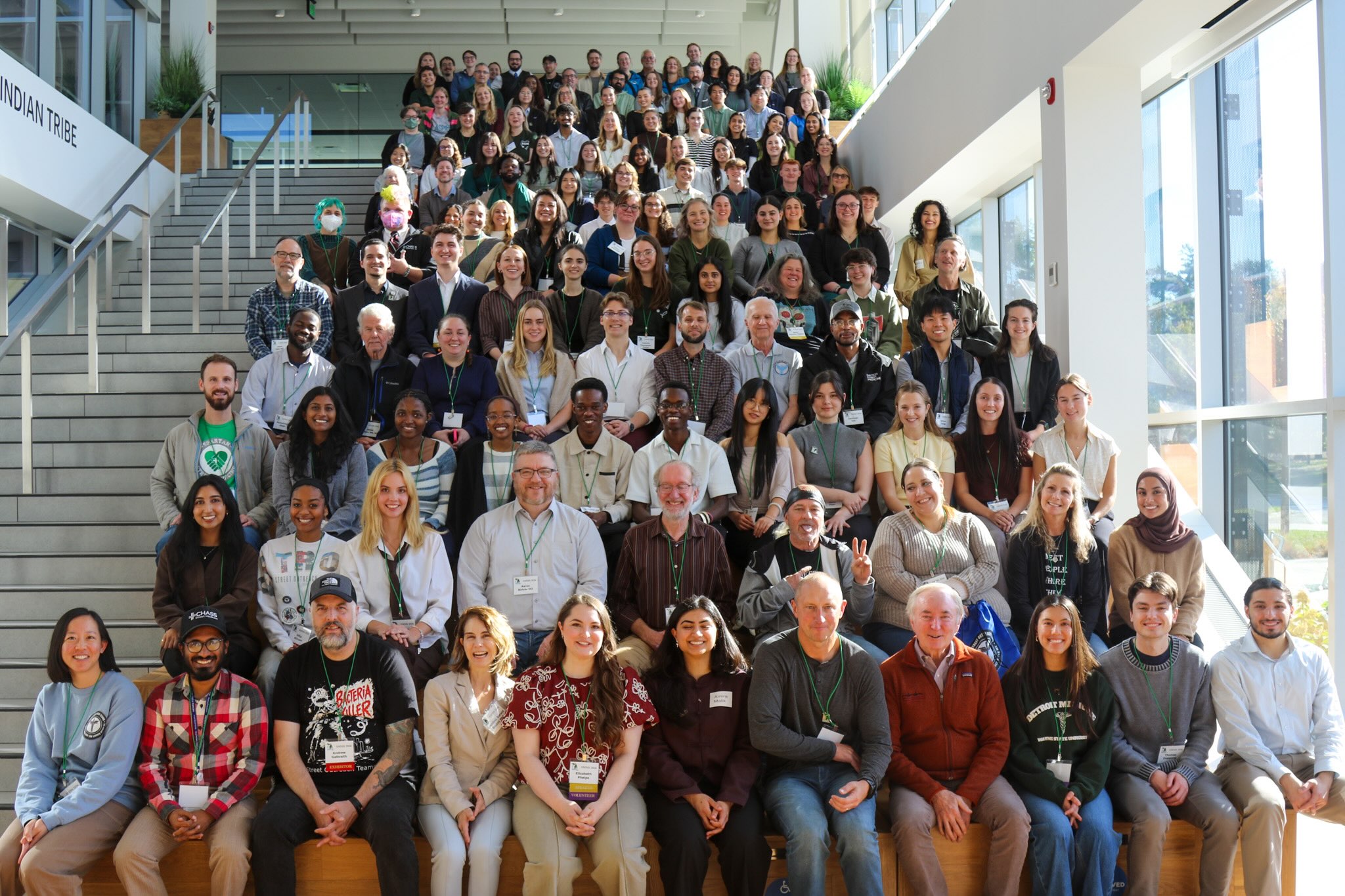
Health care providers, students, researchers and community leaders gathered at Michigan State University Oct. 24 for the fourth annual Street Medicine of Michigan Symposium. Held at the MSU Multicultural Center in East Lansing, the event brought together 14 medical school groups, along with community organizations from across the state, committed to improving health care access for people experiencing homelessness.
Street medicine teams meet people where they are. Their work includes treating common illnesses, helping patients manage chronic conditions, providing first aid and immunizations, performing routine vital checkups and osteopathic manipulative medicine (OMM), distributing hygiene supplies and connecting people with social services.
The symposium began as an effort to bring Michigan’s street medicine programs together to learn from one another and strengthen connections. All seven medical schools in Michigan now have a street medicine organization. Michigan’s street medicine programs were joined by groups from Chicago, Dayton, Ohio, and Indiana, at this year’s symposium.
Speakers and presenters shared information to help attendees better exchange knowledge and best practices, as well as talk about challenges while building partnerships. This year’s keynote speaker was Jim O’Connell, president of the Boston Health Care for the Homeless Program and the subject of Tracy Kidder’s New York Times bestseller Rough Sleepers.
MSU’s growing street medicine network
MSU-affiliated street medicine efforts have expanded across the state over the past decade. Detroit Street Care began in 2015, followed by Traverse City Street Medicine in 2016 and Spartan Street Medicine, serving Lansing and East Lansing in 2017. Grand Rapids Street Medicine launched in 2019, while the MSU Pre-Street Medicine and Spartan Street Medicine–Flint followed in 2020, Macomb County Street Medicine in 2022, Muskegon Street Medicine in 2025 and Spartan Street Medicine–Alpena in 2026.
Together, these programs provide medical students supervised, hands-on experience serving communities across the state. Teams typically participate in two outreach runs each week under physician supervision.
Symposium participation
This year’s symposium’s 14 participating organizations reflected a broad regional network: Street Medicine Detroit; Street Outreach Teams in Detroit; MSU College of Osteopathic Medicine’s (MSUCOM) Detroit Street Care, Macomb County Street Medicine and Spartan Street Medicine in Lansing and East Lansing; MSU College of Human Medicine’s Spartan Street Medicine–Flint; MSU Pre-Street Medicine; Wolverine Street Medicine at the University of Michigan; Traverse City Street Medicine; Oakland University William Beaumont School of Medicine Street Medicine in Pontiac; Chicago Street Medicine; Indiana Street Medicine; Dayton Street Medicine; and Central Michigan University Street Medicine.
“The Symposium is an amazing opportunity to connect with other programs doing the same work right here in the Midwest. We’re able to share insights and lessons learned that we can apply to our own programs, and most importantly we inspire each other to keep going with work that can seem overwhelmingly difficult. I’m so sincerely grateful for this event each year.” said Graham Atkin, faculty advisor for Spartan Street Medicine and this year’s winner of the Symposium’s Dean Carpenter Award for Exceptional Dedication and Compassion to Street Medicine.
By bringing established and emerging programs into one room at the symposium offers participants a chance to strengthen the relationships, skills and shared commitment needed to reach people who often face barriers to traditional health care.
By Terri Hughes-Lazzell
Health care providers, students, researchers and community leaders gathered at Michigan State University Oct. 24 for the fourth annual Street Medicine of Michigan Symposium. Held at the MSU Multicultural Center in East Lansing, the event brought together 14 medical school groups, along with community organizations from across the state, committed to improving health care access for people experiencing homelessness.
Street medicine teams meet people where they are. Their work includes treating common illnesses, helping patients manage chronic conditions, providing first aid and immunizations, performing routine vital checkups and osteopathic manipulative medicine (OMM), distributing hygiene supplies and connecting people with social services.
The symposium began as an effort to bring Michigan’s street medicine programs together to learn from one another and strengthen connections. All seven medical schools in Michigan now have a street medicine organization. Michigan’s street medicine programs were joined by groups from Chicago, Dayton, Ohio, and Indiana, at this year’s symposium.
Speakers and presenters shared information to help attendees better exchange knowledge and best practices, as well as talk about challenges while building partnerships. This year’s keynote speaker was Jim O’Connell, president of the Boston Health Care for the Homeless Program and the subject of Tracy Kidder’s New York Times bestseller Rough Sleepers.
MSU’s growing street medicine network
MSU-affiliated street medicine efforts have expanded across the state over the past decade. Detroit Street Care began in 2015, followed by Traverse City Street Medicine in 2016 and Spartan Street Medicine, serving Lansing and East Lansing in 2017. Grand Rapids Street Medicine launched in 2019, while the MSU Pre-Street Medicine and Spartan Street Medicine–Flint followed in 2020, Macomb County Street Medicine in 2022, Muskegon Street Medicine in 2025 and Spartan Street Medicine–Alpena in 2026.
Together, these programs provide medical students supervised, hands-on experience serving communities across the state. Teams typically participate in two outreach runs each week under physician supervision.
Symposium participation
This year’s symposium’s 14 participating organizations reflected a broad regional network: Street Medicine Detroit; Street Outreach Teams in Detroit; MSU College of Osteopathic Medicine’s (MSUCOM) Detroit Street Care, Macomb County Street Medicine and Spartan Street Medicine in Lansing and East Lansing; MSU College of Human Medicine’s Spartan Street Medicine–Flint; MSU Pre-Street Medicine; Wolverine Street Medicine at the University of Michigan; Traverse City Street Medicine; Oakland University William Beaumont School of Medicine Street Medicine in Pontiac; Chicago Street Medicine; Indiana Street Medicine; Dayton Street Medicine; and Central Michigan University Street Medicine.
“The Symposium is an amazing opportunity to connect with other programs doing the same work right here in the Midwest. We’re able to share insights and lessons learned that we can apply to our own programs, and most importantly we inspire each other to keep going with work that can seem overwhelmingly difficult. I’m so sincerely grateful for this event each year.” said Graham Atkin, faculty advisor for Spartan Street Medicine and this year’s winner of the Symposium’s Dean Carpenter Award for Exceptional Dedication and Compassion to Street Medicine.
By bringing established and emerging programs into one room at the symposium offers participants a chance to strengthen the relationships, skills and shared commitment needed to reach people who often face barriers to traditional health care.
By Terri Hughes-Lazzell