
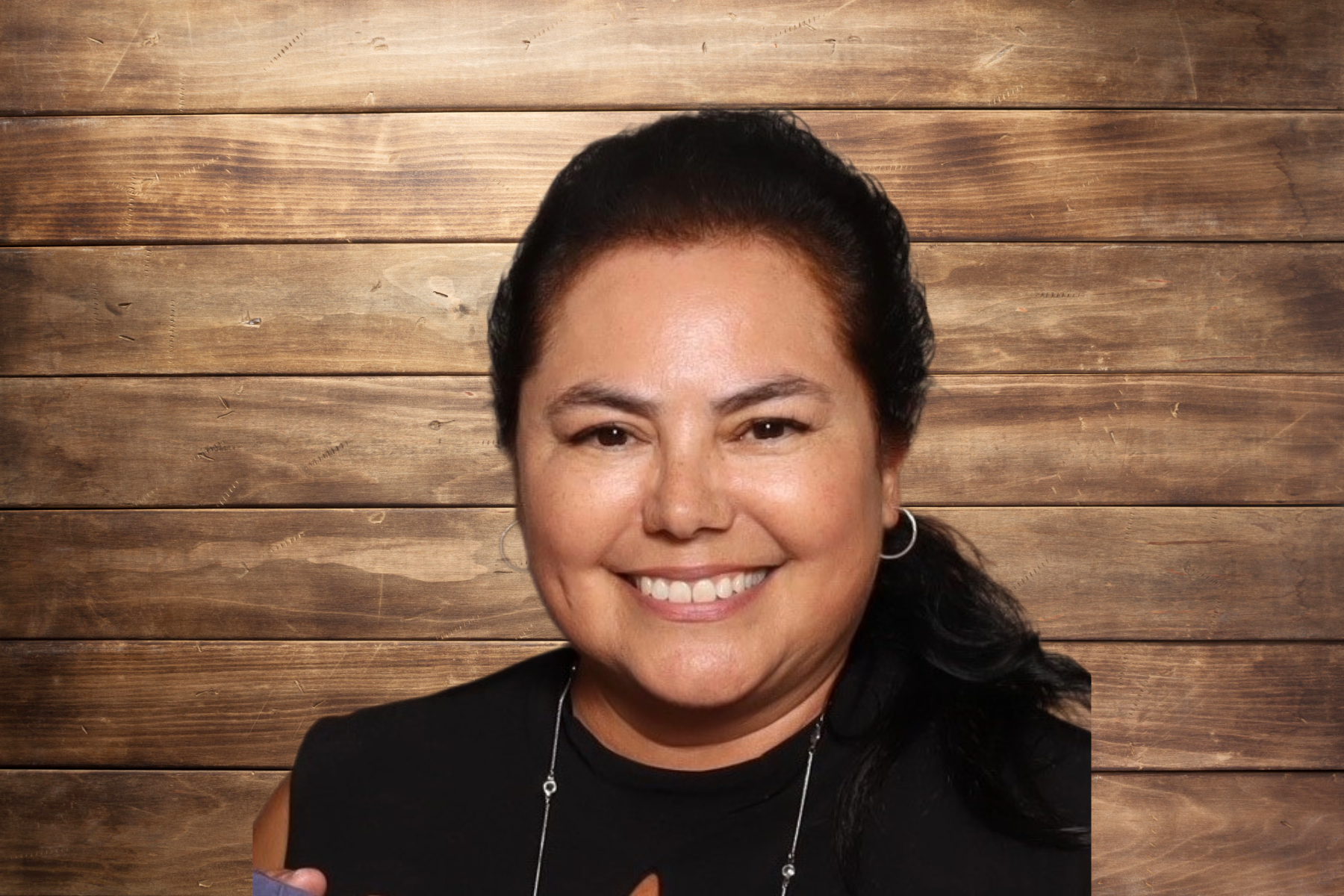
The Michigan State University Department of Pharmacology and Toxicology through the College of Osteopathic Medicine has named Andrea Joy Gonzales, Ph.D., as the new director of its Drug Discovery Program.
This position is supported through MSU’s Global Impact Initiative, designed to address global grand challenges and national priorities through the creation of more than 100 new faculty positions in some of the most promising – and critical – fields of research.
A visionary research scientist who has spent 30 years delivering innovative, life-saving therapeutics to people and animals, Dr. Gonzales most recently retired from Kalamazoo-based Zoetis Inc., an animal health pharmaceutical business.
Her roles in the pharmaceutical industry have included vice president of Global Companion Animal Therapeutics at Zoetis and leadership positions in areas, such as Allergy and Dermatology, Inflammation, Oncology, Toxicology and Pharmacology in both Animal Health and Human Health Divisions at companies including the Upjohn Co., Parke-Davis and Pfizer, along with Zoetis.
A native of Portage, Mich., Dr. Gonzales earned her doctorate in toxicology from the University of North Carolina at Chapel Hill and her Bachelor of Science with Distinction in biology from the University of Michigan. She shared what most attracted her to the director role is the unique opportunity to work with so many talented scientists and professors at MSU.
“They've been working in their various areas for many, many years, and I would love to help share my knowledge in drug discovery to help them bring their lifelong research to deliver a therapeutic that may meet an unmet need,” Dr. Gonzales said. “I am really impressed with how helpful and collaborative people are here. It made it a little bit less intimidating for me coming from industry and not really having much experience – except for my Ph.D. program – in academia. They really make me feel welcome and I’m excited to work with a group that has such amazing potential.”
Another reason Dr. Gonzales was particularly interested in the Drug Discovery director position was MSU’s One Team, One Health initiative. The movement is designed to foster stronger connections between MSU’s human, animal and environmental health programs based on the holistic philosophy that the health of people, animals, plants and the environment are deeply connected.
Dr. Gonzales’s expertise and experience in both animal and human health research make her a perfect fit to lead Drug Discovery into its next phase of growth while aligning with the One Health approach and Sustainable Health, a key component of the university’s Strategic Plan, MSU 2030: Excellence for Global Impact.
While Dr. Gonzales has contributed to therapeutic drugs for treatment of human patients who have lung cancer or breast cancer or Human Immunodeficiency Virus 1 (HIV-1), she is probably best known for her most recent work developing therapeutics to treat canine skin disease. These include: Apoquelâ , a selective Janus Kinase 1 inhibitor, and Cytopointâ, a canine anti-IL-31 monoclonal antibody (mAb), highly successful products approved for the treatment of allergic or atopic dermatitis in dogs.
“Sometimes you're ahead of the game in human disease, and that can help inform what's going on in the animal diseases, and sometimes you're ahead in the animal diseases,” Dr. Gonzales said. “I plan to continue to explore diseases across species and try to understand the similarities and differences in certain diseases that animals and humans have in common, which can help lead us to inform better therapeutics.”
Developing a vision for now and the future
Dr. Gonzales emphasizes her immediate goals for Drug Discovery are to assess the program’s strengths and objectives, to continue to form partnerships with other MSU colleges and facilities and to put a bold vision in place that everyone can support.
“We have to understand not only where we're at, but where we want to go, and what we're going to need from the university or other places to be able to get to where we want to be,” she said. “We want to tie Drug Discovery into that One Health goal, of course. And there's a lot of interest from the veterinary school and the medical schools. So short-term is really about putting together a vision for people to understand more about us and what we're going to need to continue to grow.”
Building some additional expertise is another objective. To help fuel a strategic expansion of Drug Discovery, Dr. Gonzales will coordinate the recruitment of three junior faculty members. The next Global Impact Initiative hires will likely occur over the next year. One is planned for the MSU Department of Chemistry, another in the Department of Biochemistry and Molecular Biology and the third in the Department of Microbiology, Genetics and Immunology.
Another goal Dr. Gonzales has for Drug Discovery is to explore new modalities that are more sustainable and less harmful to the environment. Modalities are the type of molecule used to prevent or treat a disease. Traditionally, in the pharmaceutical industry, modalities have been limited to small (mostly oral) and large (mostly injectable) molecules.
“I’d like to, hopefully, develop the potential ability to make monoclonal antibody therapies, for example,” Dr. Gonzales explained. “Monoclonal antibodies are protein-based therapeutics, and they can have a reduced impact on the environment compared to traditional small-molecule drugs. And in animal health, some of the parasiticides can be very persistent in the environment so we need to think about the One Health approach as we develop therapeutics.”
Long-term goals include increasing the number of patents that MSU Drug Discovery produces, not to mention increasing investment. Dr. Gonzales said the National Institutes of Health (NIH) wants to see scientists translate their ideas into therapeutics that meet an unmet or important need, but, more importantly, the program must demonstrate a significant return on investment to ensure continued growth and to recruit more talent going forward. Investing in the Drug Discovery program will also likely lead to more jobs for skilled workers in Michigan’s life science and biotech industries, she added.
“Drug discovery is expensive,” she said. “We're going to have to think of unique ways and strategies of getting funding so that this can be sustainable long-term, and it doesn't ebb and flow depending on NIH funding.”
The Michigan State University Department of Pharmacology and Toxicology through the College of Osteopathic Medicine has named Andrea Joy Gonzales, Ph.D., as the new director of its Drug Discovery Program.
This position is supported through MSU’s Global Impact Initiative, designed to address global grand challenges and national priorities through the creation of more than 100 new faculty positions in some of the most promising – and critical – fields of research.
A visionary research scientist who has spent 30 years delivering innovative, life-saving therapeutics to people and animals, Dr. Gonzales most recently retired from Kalamazoo-based Zoetis Inc., an animal health pharmaceutical business.
Her roles in the pharmaceutical industry have included vice president of Global Companion Animal Therapeutics at Zoetis and leadership positions in areas, such as Allergy and Dermatology, Inflammation, Oncology, Toxicology and Pharmacology in both Animal Health and Human Health Divisions at companies including the Upjohn Co., Parke-Davis and Pfizer, along with Zoetis.
A native of Portage, Mich., Dr. Gonzales earned her doctorate in toxicology from the University of North Carolina at Chapel Hill and her Bachelor of Science with Distinction in biology from the University of Michigan. She shared what most attracted her to the director role is the unique opportunity to work with so many talented scientists and professors at MSU.
“They've been working in their various areas for many, many years, and I would love to help share my knowledge in drug discovery to help them bring their lifelong research to deliver a therapeutic that may meet an unmet need,” Dr. Gonzales said. “I am really impressed with how helpful and collaborative people are here. It made it a little bit less intimidating for me coming from industry and not really having much experience – except for my Ph.D. program – in academia. They really make me feel welcome and I’m excited to work with a group that has such amazing potential.”
Another reason Dr. Gonzales was particularly interested in the Drug Discovery director position was MSU’s One Team, One Health initiative. The movement is designed to foster stronger connections between MSU’s human, animal and environmental health programs based on the holistic philosophy that the health of people, animals, plants and the environment are deeply connected.
Dr. Gonzales’s expertise and experience in both animal and human health research make her a perfect fit to lead Drug Discovery into its next phase of growth while aligning with the One Health approach and Sustainable Health, a key component of the university’s Strategic Plan, MSU 2030: Excellence for Global Impact.
While Dr. Gonzales has contributed to therapeutic drugs for treatment of human patients who have lung cancer or breast cancer or Human Immunodeficiency Virus 1 (HIV-1), she is probably best known for her most recent work developing therapeutics to treat canine skin disease. These include: Apoquelâ , a selective Janus Kinase 1 inhibitor, and Cytopointâ, a canine anti-IL-31 monoclonal antibody (mAb), highly successful products approved for the treatment of allergic or atopic dermatitis in dogs.
“Sometimes you're ahead of the game in human disease, and that can help inform what's going on in the animal diseases, and sometimes you're ahead in the animal diseases,” Dr. Gonzales said. “I plan to continue to explore diseases across species and try to understand the similarities and differences in certain diseases that animals and humans have in common, which can help lead us to inform better therapeutics.”
Developing a vision for now and the future
Dr. Gonzales emphasizes her immediate goals for Drug Discovery are to assess the program’s strengths and objectives, to continue to form partnerships with other MSU colleges and facilities and to put a bold vision in place that everyone can support.
“We have to understand not only where we're at, but where we want to go, and what we're going to need from the university or other places to be able to get to where we want to be,” she said. “We want to tie Drug Discovery into that One Health goal, of course. And there's a lot of interest from the veterinary school and the medical schools. So short-term is really about putting together a vision for people to understand more about us and what we're going to need to continue to grow.”
Building some additional expertise is another objective. To help fuel a strategic expansion of Drug Discovery, Dr. Gonzales will coordinate the recruitment of three junior faculty members. The next Global Impact Initiative hires will likely occur over the next year. One is planned for the MSU Department of Chemistry, another in the Department of Biochemistry and Molecular Biology and the third in the Department of Microbiology, Genetics and Immunology.
Another goal Dr. Gonzales has for Drug Discovery is to explore new modalities that are more sustainable and less harmful to the environment. Modalities are the type of molecule used to prevent or treat a disease. Traditionally, in the pharmaceutical industry, modalities have been limited to small (mostly oral) and large (mostly injectable) molecules.
“I’d like to, hopefully, develop the potential ability to make monoclonal antibody therapies, for example,” Dr. Gonzales explained. “Monoclonal antibodies are protein-based therapeutics, and they can have a reduced impact on the environment compared to traditional small-molecule drugs. And in animal health, some of the parasiticides can be very persistent in the environment so we need to think about the One Health approach as we develop therapeutics.”
Long-term goals include increasing the number of patents that MSU Drug Discovery produces, not to mention increasing investment. Dr. Gonzales said the National Institutes of Health (NIH) wants to see scientists translate their ideas into therapeutics that meet an unmet or important need, but, more importantly, the program must demonstrate a significant return on investment to ensure continued growth and to recruit more talent going forward. Investing in the Drug Discovery program will also likely lead to more jobs for skilled workers in Michigan’s life science and biotech industries, she added.
“Drug discovery is expensive,” she said. “We're going to have to think of unique ways and strategies of getting funding so that this can be sustainable long-term, and it doesn't ebb and flow depending on NIH funding.”