
D.O.-Ph.D. Student Profiles
Year 1 (G1) Students
-
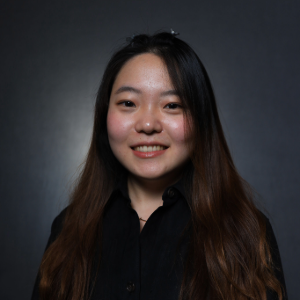
She also spent her gap years in translational research to gain a deeper understanding of disease mechanisms. There, she developed and characterized genetically engineered mouse models to study aggressive cancer subtypes and gained a broader scientific perspective and the soft skills required to independently lead and collaborate on complex research projects.
Now, Jinhee hopes to integrate her public health and data science background with rigorous basic science training to develop tangible, yet innovative solutions that can improve the overall healthcare experience. She’s currently interested in how telemedicine, wearable devices and predictive modeling can help prevent diseases, reduce health disparities, and enhance clinical-decision making. Her ultimate goal is to bridge the gap between research and clinical practice by engaging in bedside-to-bench-to-bedside work.
Outside of work, Jinhee is an big foodie, she loves cooking for friends and family and trying out different local restaurants and cafes. Her favorite weekend ritual is finishing a long run and rewarding herself with a flaky croissant in one hand and a hazelnut shaken espresso in another.
Graduate Program
Biomedical EngineeringLab/Principle Investigator
TBAResearch Focus
I’m currently interested in research that uses technology to make chronic disease management such as diabetes, obesity, chronic low back pain or cancer more effective and equitable. I’m especially interested in how telemedicine, wearable devices, and predictive modeling can help prevent diseases, advance personalized medicine, and enhance clinical-decision making.Degrees
B.S., New York University, 2021
Ph.D., Michigan State University, Expected 2032
D.O., Michigan State University, Expected 2034Professional Organizations
2024-2025 AACR Affiliate MemberPublications
Muhammad Ajmal Khan*, Jinhee Chang*, Yang Song, Amol C. Shetty, Triet Nguyen, Danielle N. Waters, Dipanwita Dutta Chowdhury, Elan Simms, Aaron Chan, Hwai Wei Tseng, Christine Lam, Priyanshi Patel, Lucas T. Tran, Jiayu Chen, Jarey H. Wang, Katriana Nugent, Matthew Ballew, Ghali Lemtiri-Chlieh, Francesca Anna Carrieri, Reem Malek, Hailun Wang, Noelle R. (Jurcak) Thielman, Keyu Li, Ryan J. Park, William L. Hwang, Lei Zheng, Kathleen Gabrielson, Phuoc T. Tran+, Audrey Lafargue+. Twist1 Overexpression Models an Aggressive Subtype of Pancreatic Ductal Adenocarcinoma in vivo. Accepted in Lab Animal. * - these authors contributed equally and + - corresponding authorsDipanwita Dutta Chowdhury*, Eddie L. Imada*, Nick Connis*, Jinhee Chang, Aaron Chan, Hwai-Wei Tseng, Audrey Lafargue, Francesca A. Carrieri, Triet Nguyen, Danielle N. Waters, Elan R. Simms, Amol C. Shetty, Yang Song, Muhammad Ajmal Khan, Mohammad Rezaee, Phuoc T. Tran+, Luigi Marchionni+, Christine L. Hann+. TNIK overexpression is sufficient for chemoradiation resistance in limited-stage small cell lung cancer. Mol Cancer Ther. 2026 Mar 16. doi: 10.1158/1535-7163.MCT-25-0529. PMID: 41838988. * - these authors contributed equally and + - corresponding authors
Audrey Lafargue*,+, Hailun Wang*, Sivarajan T. Chettiar, Rajendra P. Gajula, Amol C. Shetty, Yang Song, Brian W. Simons, Muhammad Ajmal Khan, Triet Nguyen, Hwai-Wei Tseng, Jinhee Chang, Danielle N Waters, Aaron Chan, Christine Lam, Francesca A. Carrieri, Caleb Smack, Nick Connis, Dipanwita Dutta Chowdhury, Katriana Nugent, Ismaeel Siddiqui, Kekoa Taparra, Mohammad Rezaee, Natasha Zachara, Zachary S. Morris, Christopher McFarland, Sarki Abba Abdulkadir, Christine L. Hann, Phuoc T. Tran+. Twist1-induced suppression of oncogene-induced senescence in non-small cell lung cancer requires the transactivation domain of Twist1. Neoplasia. 2025 May;22:66:101179. DOI: 10.1016/j.neo.2025.101179. PMID: 40409044. * - these authors contributed equally and + - corresponding authors
Triet M. Nguyen, Francesca A. Carrieri, Nick Connis, Audrey M. Lafargue, Jinhee Chang, Aaron Chan, Amol C. Shetty, Yang Song, Tung Hoang, Shreya Jagtap, Dipanwita Dutta Chowdhury, Muhammad Ajmal Khan, Kathleen Gabrielson, Mohammad Rezaee, Pedro Torres-Ayuso, John Brognard, Christine L. Hann, Phuoc T. Tran+. TNIK inhibition sensitizes TNIK-overexpressing lung squamous cell carcinoma to radiotherapy. Mol Cancer Ther. 2024 Apr;23(8):1201–1211. DOI: 10.1158/1535-7163.MCT-23-0412. PMID: 38670554. + - corresponding author
Tung Hoang*, Philip Sutera*, Triet Nguyen, Jinhee Chang, Shreya Jagtap, Yang Song, Amol C. Shetty, Dipanwita D. Chowdhury, Aaron Chan, Francesca A. Carrieri, Lara Hathout, Ronald Ennis, Salma K. Jabbour, Rahul Parikh, Jason Molitoris, Daniel Y. Song, Theodore DeWeese, Luigi Marchionni, Lei Ren, Amit Sawant, Nicole Simone, Audrey Lafargue, Kim Van Der Eecken, Fred Bunz, Piet Ost, Phuoc T. Tran+, Matthew P. Deek+. TP53 structure-function relationships in metastatic castrate-sensitive prostate cancer and the impact of APR-246 treatment. The Prostate. 2024 Jan;84(1):87-99. DOI: 10.1002/pros.24629. PMID: 37812042. * - these authors contributed equally and + - corresponding authors
Philip Sutera, Yang Song, Kim Van der Eecken, Amol C. Shetty, Keara English, Theresa Hodges, Jinhee Chang, Vale´rie Fonteyne, Zaker Rana, Lei Ren, Adrianna A. Mendes, Nicolaas Lumen, Louke Delrue, Sofie Verbeke, Kathia De Man, Daniel Y. Song, Kenneth Pienta, Felix Y. Feng, Steven Joniau, Tamara Lotan, Barton Lane, Ana Kiess, Steven Rowe, Martin Pomper, Theodore DeWeese, Matthew Deek, Christopher Sweeney, Piet Ost+, Phuoc T. Tran+. Clinical and Genomic Differences Between Advanced Molecular Imaging-detected and Conventional Imaging-detected Metachronous Oligometastatic Castration-sensitive Prostate Cancer. Eur Urol. 2023 Dec;84(6):531-535. DOI: 10.1016/j.eururo.2023.04.025. PMID: 37173210. + - corresponding authors
Jinhee Chang, Ethan Assouline, Kimberly Calugaru, Zoran Z. Gajic, Volkan Doğru, Juliet J. Ray, Arman Erkan, Eren Esen, Michael Grieco, Feza Remzi+. Minimally invasive colectomies can be performed with similar outcomes to open counterparts for colorectal cancer emergencies: a propensity score matching analysis utilizing ACS-NSQIP. Tech Coloproctol. 2023 Nov;27(11):1065-1071. DOI: 10.1007/s10151-023-02852-9. PMID: 37642739. + - corresponding author
Philip Sutera, Amol C. Shetty, Alex Hakansson, Kim Van der Eecken, Yang Song, Yang (Seagle) Liu, Jinhee Chang, Valérie Fonteyne, Adrianna A Mendes, Nicolaas Lumen, Louke Delrue, Sofie Verbeke, Kathia De Man, Zaker Rana, Theresa Hodges, Anis Hamid, Nicholas Roberts, Daniel Y Song, Kenneth Pienta, Ashely E Ross, Felix Feng, Steven Joniau, Daniel Spratt, Silke Gillessen, Gerhardt Attard, Nicholas D. James, Tamara Lotan, Elai Davicioni, Christopher Sweeney, Phuoc T. Tran, Matthew P. Deek+, Piet Ost+. Transcriptomic and clinical heterogeneity of metastatic disease timing within metastatic castration-sensitive prostate cancer. Ann Oncol. 2023 Jul;34(7):605-614. DOI: 10.1016/j.annonc.2023.04.515. PMID: 37164128. + - corresponding authors
Xing Wang*, Natasha Raman*, Ghali Lemtiri-Chlieh*, Jinhee Chang, Shreya Jagtap, Dipanwita Dutta Chowdhury, Matthew Ballew, Francesca Anna Carrieri, Triet Nguyen, Katriana Nugent, Travis Peck, Michelle S. Levine, Aaron Chan, Christine Lam, Reem Malek, Tung Hoang, Ryan Phillips, ZhuoAn Cheng, Kekoa Taparra, Nick Connis, Christine L. Hann, Andrew Holland, Phuoc T. Tran, Audrey Lafargue+, and Hailun Wang+. Griseofulvin Radiosensitizes Non-Small Cell Lung Cancer Cells and Activates cGAS. Mol Cancer Ther. 2023 Apr 3;22(4):519-528. DOI: 10.1158/1535-7163.MCT-22-0191. PMID: 36752776. * - these authors contributed equally and + - corresponding authors
Philip Sutera, Matthew P. Deek, Kim Van der Eecken, Amol C. Shetty, Jinhee Chang, Theresa Hodges, Yang Song, Sofie Verbeke, Jo Van Dorpe, Valérie Fonteyne, Bram De Laere, Mark Mishra, Zaker Rana, Jason Molitoris, Matthew Ferris, Ashley Ross, Edward Schaeffer, Nicholas Roberts, Daniel Y. Song, Theodore DeWeese, Kenneth J. Pienta, Emmanuel S. Antonarakis, Piet Ost+, Phuoc T. Tran+. WNT pathway mutations in metachronous oligometastatic castration-sensitive prostate cancer. Int J Radiat Oncol Biol Phys. 2023 Apr 1;115(5):1095-1101. DOI: 10.1016/j.ijrobp.2022.12.006. PMID: 36708787. + - corresponding authors"
Presentations
Jinhee Chang, Dipanwita Dutta Chowdhury, et al. Investigating the role of TNIK in the pathogenesis of lung squamous cell carcinoma. American Association for Cancer Research Annual Meeting; Apr 2024; San Diego, CA.Jinhee Chang, Xing Wang, et al. Griseofulvin Radiosensitizes Non-Small Cell Lung Cancer Cells and Activates cGAS. 13th Annual University of Maryland Cancer Biology Research Retreat; June 2023; Baltimore, MD.
-
Graduate Program
NeuroscienceLab/Principle Investigator
Alex JohnsonResearch Focus
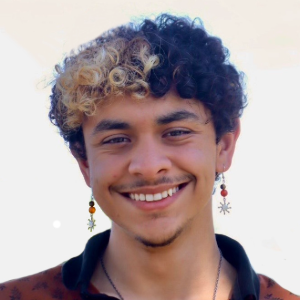
In Dr. Alexander Johnson's lab, William will be using chemogenetic manipulations to investigate how the VTA dopamine -> Insular cortex circuit is involved in reality testing in mice, a behavioral analog to schizophrenia's delusions and hallucinations.Degrees
B.A., New College of Florida, 2026
Ph.D., Michigan State University, Expected 2032
D.O., Michigan State University, Expected 2034Presentations
Lopez, W. R.; Daloul, C.; Cunningham, E. D.; Brand, C. F.; Cook, P. F. “Stepping Into VR: Embodied sense of presence in a virtual environment mediates physiological and behavioral indices of fear.” Poster and talk presented at: Cognitive Neuroscience Society Conference; 2025 March 31; Boston, MA.Lopez, W. R.; Suresh, S.; Wimmer, R. D.; Halassa, M. M. “Developing a Task to Ascertain Correlation Between Structural and Behavioral Differences in Schizophrenia.” Poster presented at Summer Symposium for Pipeline Programs at Tufts Graduate School of Biomedical Sciences; 2024 August 1; Boston, MA.
Bouchard, M. A.; Lopez, W. R.; Cemek, A. B.; Swain, K. A.; Marlowe, L. J. “Toward the synthesis and characterization of BIPHEP and OMe-BIPHEP ligands bearing bis(ortho-substituted phenyl)phosphino groups.” Poster presented at: American Chemical Society Conference; 2024 March 17; New Orleans, LA.
Alam, I.; Goldberg, M. J.; Bouchard, M. A.; Cemek, A. B.; Lopez, W. R.; Ismatulla, K. F.; Pare, O.; Swain, K. A.; Black, R. E. “Synthesis and Characterization of Ru(II) Complexes Bearing BIPHEP-type Ligands and a Chelating Phosphine-Bromoarene Ligand.” Poster presented at: American Chemical Society Conference; 2023 March 26; Indianapolis, IN.
-
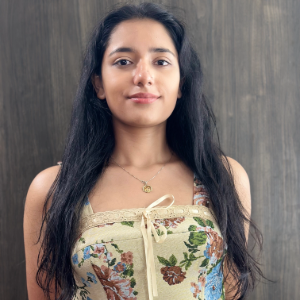
She earned her B.S.E. in Biomedical Engineering (Biomedical Devices) from Arizona State University’s Barrett, the Honors College, where she served as President of the Biomedical Engineering Society, Secretary of the ASU Fencing Club, Publications Intern for the Harvard Ukrainian Research Institute, and Operations Chair for the Fulton Student Council, and was recognized as an IMPACT Awardee and National Academy of Engineering Grand Challenges Scholar.Naina's research experience spans computational neuroscience, neural stimulation, medical imaging, and multidisciplinary engineering. Her capstone project focused on designing an optimized neurosurgical drill to prevent heat-induced osteonecrosis, reflecting on her commitment to clinically relevant device innovation. She is also developing an app-based startup to support dementia caregivers in managing daily tasks more efficiently.
Growing up in a rural town in northwest Arizona, Naina is driven to improve healthcare accessibility in underserved communities. Current research interests center on neural engineering, surgical robotics, and remote health technologies. She plans to become a neurosurgeon physician-scientist, developing innovative technologies that enhance surgical precision and expand access to care. Outside of academics she enjoys going to the gym, fencing, gaming, reading, golf, traveling, and spending time with family and friends.
Graduate Program
Biomedical EngineeringLab/Principle Investigator
UndecidedResearch Focus
My research interests lie at the intersection of computational neuroscience, neural stimulation, and biomedical engineering, which I aim to use to develop surgical robotics and remote health technologies. Inspired by my upbringing in rural Arizona, I will design accessible, cost-effective solutions that expand equitable healthcare delivery in underserved communities.Degrees
B.S.E., Arizona State University, 2025
M.S.E., Johns Hopkins University, 2026
Ph.D., Michigan State University, Expected 2032
D.O., Michigan State University, Expected 2034Professional Organizations
Biomedical Engineering Society (BMES)
Computer Science Teachers Association (CSTA)
American Chemical Society (ACS)Publications
Misra, N., Spackman, C., Darter, C., Mannigel L. Free Food Ecologies on College Campuses: An Overlooked Opportunity for Inclusion. Manuscript submitted for publication to the Journal of Higher Education, May 2025.Presentations
Misra, N. Free Food Ecologies on College Campuses: An Overlooked Opportunity for Inclusion. Poster presented at the American Association for the Advancement of Science Annual Meeting, Denver, CO (2024).Misra, N. Free Food Ecologies on College Campuses: An Overlooked Opportunity for Inclusion. Poster presented at the Agriculture, Food, and Human Values Society / Association for the Study of Food and Society Conference, Corvallis, OR (2025).
Misra, N. Free Food Ecologies on College Campuses: An Overlooked Opportunity for Inclusion. Poster presented at the School for the Future of Innovation in Society Research Symposium, Arizona State University (7 Symposia, 2022–2025).
Misra, N. Supercomputing for Alzheimer’s Diagnostics Using 3D MRI-Based Biomarkers. Poster presented at the Fulton Undergraduate Research Initiative Symposium, Arizona State University (Spring 2024).
Misra, N. Functional Mapping of the Anterior Cingulate Cortex Using Transcranial Focused Ultrasound. Oral presentation, Barrett Honors Thesis Defense, Arizona State University (May 2025).
-
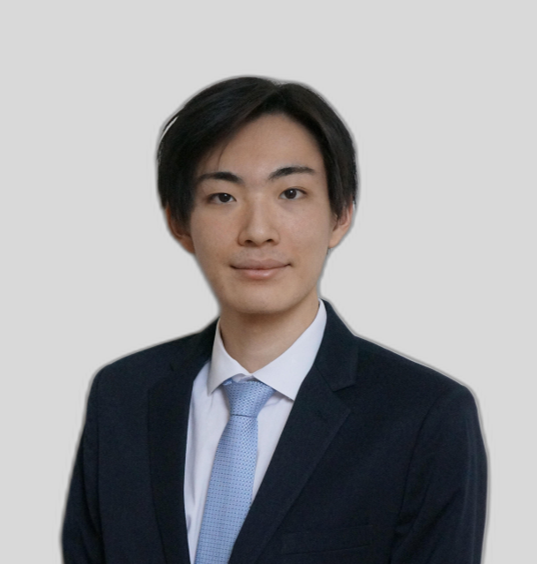 Keita Morisaki graduated from Emory University in 2023, majoring in Applied Mathematics and Chemistry. During his undergraduate research on a novel tropomyosin isoform in the nematode Caenorhabditis elegans, he recognized the power of computation through molecular dynamics. This experience motivated him to pursue a postbaccalaureate IRTA fellowship at the National Institute on Alcohol Abuse and Alcoholism, where he expanded his training in bioinformatics, focusing on genomics and clinical data analysis alongside molecular modeling. Beginning in Fall 2026, Keita joined the D.O.-Ph.D. Medical Scientist Training Program at Michigan State University College of Osteopathic Medicine. Through the BioMolecular Science Gateway, he plans to pursue doctoral training in Genetics and Genome Sciences, where he hopes to continue research integrating omics and molecular modeling. In the long term, he aims to advance precision medicine through integrative computational approaches to better understand complex diseases and contribute to the development of novel therapeutics for hereditary disorders and rare diseases.
Graduate Program
Biomedical Sciences (planned for Genetics and Genomes Sciences)Lab/Principle Investigator
TBDResearch Focus
TBDDegrees
B.S., Emory University, 2023
Ph.D., Michigan State University, Expected 2032
D.O., Michigan State University, Expected 2034Publications
Wakil SM, Morisaki K, Shen PH, Sucich DG, Schwandt M, Hejtmancik JF, Marietta C, Yuan Q, Diazgranados N, Hodgkinson CA, Goldman D. Recurrent and Non-Recurrent Copy Number Variants in Native Americans and a Cosmopolitan Sample in Relation to Alcohol Use Disorder and Other Psychiatric Diseases. Mol Neurobiol. 2026 Mar 23;63(1):515. doi: 10.1007/s12035-026-05808-w. PMID: 41866456; PMCID: PMC13006474.
Ono S, Watabe E, Morisaki K, Ono K, Kuroyanagi H. Alternative splicing of a single exon causes a major impact on the affinity of Caenorhabditis elegans tropomyosin isoforms for actin filaments. Front Cell Dev Biol. 2023 Sep 7;11:1208913. doi: 10.3389/fcell.2023.1208913. PMID: 37745299; PMCID: PMC10512467. -
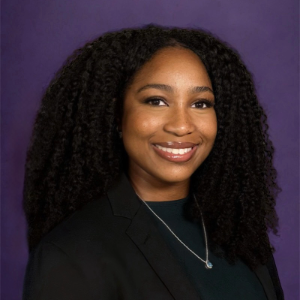
Previously, Morgan served as a Senior Research Assistant in the Bieniek Lab and Brain Bank at the Glenn Biggs Institute for Alzheimer’s and Neurodegenerative Diseases at UT Health San Antonio. In her role supported by the South Texas Alzheimer’s Disease Research Center (ADRC,) Morgan led the 3D Brains project in the Bieniek lab, where she developed deep learning pipelines to quantify cortical atrophy of postmortem human brains using structured-light 3D scanning, additive manufacturing, digital pathology, and advanced computational techniques.
As a former Division 1 student-athlete, Morgan developed a deep interest in sports medicine and neurology, with emphasis on performance, injury mechanisms, and long-term neurological outcomes. Her research interests include advanced imaging analysis, predictive modeling, regenerative medicine, and injury prevention. Through the MSTP program at MSUCOM, she is pursuing her PhD in Biomedical Engineering with goals to integrate artificial intelligence, engineering, and clinical training to address complex conditions and improve patient health outcomes. Outside of science and medicine, her hobbies include weightlifting, playing the electric guitar, roller skating, and spending time with her family.
Graduate Program
Biomedical EngineeringLab/Principle Investigator
N/A (rotating)Research Focus
I am interested in applying engineering and computational approaches in rehabilitative medicine.Degrees
B.S., Texas A&M University, 2021
M.S., Texas A&M University, 2023
M.S., University of Houston, 2025
Ph.D., Michigan State University, Expected 2032
D.O., Michigan State University, Expected 2034Professional Organizations
National Society of Black Engineers
Society of Women Engineers
Black in Neuro
Alzheimer's Association iSTAART
Biomedical Engineering Society
Black Former Student NetworkPublications
Smith, M.M., Keating, M., Flanagan, M.E., Seshadri, S., and Bieniek, K.F. VFS-Net: Vertex and Face-Based Deep Learning Pipeline for Three-Dimensional Model Segmentation and Analysis. TechRXiv [pre-print]. DOI: 10.36227/techrxiv.177273711.10008818/v1
Bieniek K, Smith M, Ochoa E, Keating M, Honnorat N, Mojtabai M, Flanagan F, Habes H, Seshadri S. 3D scanning and printing to improve brain tissue sampling and research. Journal of Neuropathology and Experimental Neurology 2025; 84(6): 510-511.https://doi.org/10.1093/jnen/nlaf040
Honnorat, N., Mojtabai, M., Li, K., Li, J., Martinez, D. M., Rashid, T., Smith, M., Flanagan, M. E., Fadaee, E., Torres, M. F., Keating, M., Bieniek, K., Seshadri, S., & Habes, M. (2025). Multi-atlas multi-modality morphometry analysis of the South Texas Alzheimer's Disease Research Center postmortem repository. NeuroImage. Clinical, 45, 103752. https://doi.org/10.1016/j.nicl.2025.103752
Honnorat, N., Mojtabai, M., Li, J., Smith, M., Seshadri, S., Bieniek, K., and Habes, M. (2024). A New Halogenated Solvent for Ex Vivo Magnetic Resonance Imaging. BioRxiv. https://doi.org/10.1101/2024.06.05.597589
Smith, M. M., Ochoa, E., Barannikov, S., Keating, M., Habes, M., Flanagan, M. E., Seshadri, S., & Bieniek, K. F. (2024). Protocol for hybrid structured-light three-dimensional scanning and modeling of human postmortem brains. STAR Protocols, 5(3), 103246. https://doi.org/10.1016/j.xpro.2024.103246.
Kalairaj, M. S., Pradhan, R., Saleem, W., Smith, M. M., & Gaharwar, A. K. (2024). Intra‐articular injectable biomaterials for cartilage repair and regeneration. Advanced Healthcare Materials, 13(17). https://doi.org/10.1002/adhm.202303794Presentations
Oral Presentations
Smith M.M., et al. VFS-Net: A Vertex and Face-based Deep Learning Pipeline for 3D Brain Model Segmentation and Analysis. Submitted for Presentation at: AAIC 2026; May 2026; London, UK.
Smith M.M, et al. Python-Based Machine Learning for Three-Dimensional Human Brain Model Segmentation and Analysis. Presentation at: University of Houston Postdoctoral Revolutionary Technologies Symposium; May 2025; Houston, TX. Graduate Student Oral Presentation Winner.
Smith M.M, et al. Python-Based Machine Learning for Three-Dimensional Human Brain Model Segmentation and Analysis. Presentation at: WE Local Awards; March 2025; Cherry Hill, NJ. 1st Place Winner.
Smith M.M, et al. Python-Based Machine Learning for Three-Dimensional Human Brain Model Segmentation and Analysis. Presentation at: Texas Academy of Science 2025 Annual Meeting; February 2025; Waco, TX.
Poster Presentations
Smith M.M., et al. VFS-Net: A Vertex and Face-based Deep Learning Pipeline for 3D Brain Model Segmentation and Analysis in Alzheimer’s Disease. Presented at: 2026 LSOM Research Symposium; March 2026; San Antonio, TX.
Smith M.M., et al. VFS-Net: A Vertex and Face-based Deep Learning Pipeline for 3D Brain Model Segmentation and Analysis. Presented at: Texas Alzheimer’s Research and Care Consortium; January 2026; Austin, TX.
Smith M.M, et al. Python-Based Deep Learning for Three-Dimensional Human Brain Model Segmentation and Analysis. Presented at: Advances in Human Health through Spatial-Omics and AI; September 2025; San Antonio, TX.Smith M.M, et al. Python-Based Machine Learning for Three-Dimensional Human Brain Model Segmentation and Analysis. Presented at: Alzheimer's Association International Conference; July 2025; Toronto, Canada.
Smith M.M. Predictive Modeling of Hospital Readmission and Disability Progression in Demyelinating and Vascular Disorders. Presented at: AIM-AHEAD Annual Conference; July 2025; Dallas, TX.
Smith M.M, et al. Leveraging AI to Analyze ICU Time-Series Medication Data to Identify Effective and Timely Interventions for Managing Systemic and Intracranial Hypertension. Presented at: AIM-AHEAD Annual Conference; July 2025; Dallas, TX.
Smith M.M, et al. Python-Based Machine Learning for Three-Dimensional Human Brain Model Segmentation and Analysis. Presented at: Gordon Research Conference for Alzheimer’s Disease; June 2025; Ventura, CA.
Smith M.M. Predictive Modeling of Hospital Readmission and Disability Progression in Demyelinating and Vascular Disorders. Presented at: Bridge2AI Annual Conference; May 2025; Bethesda, MD.
Smith M.M, et al. Leveraging AI to Analyze ICU Time-Series Medication Data to Identify Effective and Timely Interventions for Managing Systemic and Intracranial Hypertension. Presented at: Bridge2AI Annual Conference; May 2025; Bethesda, MD.
Smith M.M, et al. Python-Based Machine Learning for Three-Dimensional Human Brain Model Segmentation and Analysis. Presented at: Revolutionary Technologies Symposium; May 2025; Houston, TX. Graduate Student Poster Presentation Winner.
Smith M.M, et al. Python-Based Machine Learning for Three-Dimensional Human Brain Model Segmentation and Analysis. Presented at: 2025 UT System AI Symposium; May 2025; Houston, TX.
Smith M.M, et al. Python-Based Machine Learning for Three-Dimensional Human Brain Model Segmentation and Analysis. Presented at: Center for Biomedical Neuroscience Annual Conference; May 2025; San Antonio, TX. 2nd Place Winner.
Smith M.M, et al. Python-Based Machine Learning for Three-Dimensional Human Brain Model Segmentation and Analysis. Presented at: 15th Annual Translational Research Day; May 2025; San Antonio, TX.
Smith M.M, et al. Python-Based Machine Learning for Three-Dimensional Human Brain Model Segmentation and Analysis. Presented at: 2025 Long School of Medicine Research Symposium; March 2025; San Antonio, TX.
Smith M.M, et al. Python-Based Machine Learning for Three-Dimensional Human Brain Model Segmentation and Analysis. Presented at: WE Local Awards; March 2025; Cherry Hill, NJ. 1st Place Winner.
Smith M.M, et al. Python-Based Machine Learning for Three-Dimensional Human Brain Model Segmentation and Analysis. Presented at: Texas Alzheimer’s Research and Care Consortium; January 2025; Austin, TX. Poster Award Winner.
Smith M.M, et al. Python-Based Machine Learning for Three-Dimensional Human Brain Model Segmentation and Analysis. Poster presented at: University of Texas Systemwide Brain Research Summit; November 2024; Austin, TX.
Smith M.M, et al. Python-Based Machine Learning for Three-Dimensional Human Brain Model Segmentation and Analysis. Presented at: Great Minds in STEM Annual Conference; November 2024; Fort Worth, TX.
Smith M.M, et al. Python-Based Machine Learning for Three-Dimensional Human Brain Model Segmentation and Analysis. Presented at: Center for Biomedical Neuroscience Annual Spring Scientific Retreat; May 2024; San Antonio, TX.
Smith M.M, et al. Python-Based Machine Learning for Three-Dimensional Human Brain Model Segmentation and Analysis. Presented at: 14th Annual Frontiers of Translational Research Day; April 2024; San Antonio, TX. Poster Award Winner.
Smith M.M, et al. Python-Based Machine Learning for Three-Dimensional Human Brain Model Segmentation and Analysis. Presented at: 2024 Long School of Medicine Research Symposium; March 2024; San Antonio, TX.
Smith M.M, et al. Python-Based Machine Learning for Three-Dimensional Human Brain Model Segmentation and Analysis. Presented at: Texas Alzheimer’s Research and Care Consortium; February 2024; Austin, TX.
Year 2 (OMS-1) Students
-
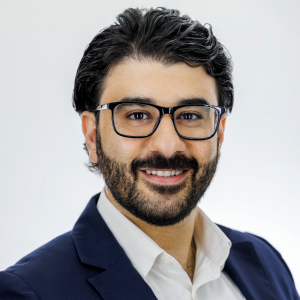
His PhD work is rooted in the idea that cancer is best understood not in isolation, but as a dynamic, evolving system shaped by its surrounding tissue context. He investigates the tumor microenvironment, specifically how dysregulated signaling in fibroblasts and other stromal components contributes to disease progression. In parallel, he is developing nanotechnology-based early diagnostic tools for pancreatic ductal adenocarcinoma (PDAC), with a focus on detecting disease-relevant molecular changes that originate from the tumor ecosystem before conventional methods can.
His long-term goal is to become a physician-scientist in oncology, integrating translational research with clinical practice to address unmet needs in early detection and patient stratification. He aims to leverage this work toward more precise disease interception and more informed clinical decision-making.
Outside the lab, Raafat plays and watches soccer, lifts weights, and travels whenever he can.
Graduate Program
Molecular, Cellular, and Integrative PhysiologyLab/Principle Investigator
Ralph Francescone, Debora Vendramini, Morteza MahmoudiResearch Focus
Studying cancer within its native context, with a focus on the tumor microenvironment and its influence on cellular behavior. This work investigates how signaling changes in fibroblasts and other stromal components contribute to disease progression, while also developing early diagnostic tools for pancreatic ductal adenocarcinoma (PDAC)Degrees
B.S., Stony Brook University, 2017
M.S., Stony Brook University, 2022
Ph.D., Michigan State University, Expected 2031
D.O., Michigan State University, Expected 2033Professional Organizations
American Physician Scientists Association (APSA)
American Osteopathic Association (AOA)
Cancer Biology Student Alliance (CBSA)Publications
Chalar R, Khatri N, Obeid E, Downey E, Song J-H, Xiao Y, Chen A, Velazquez F, Hannun Y, D’Angelo G, Damaghi M. (2026). Metabolic plasticity of sphingolipids governs cancer cell fitness in acidic tumor ecosystems. bioRxiv, doi:10.64898/2026.01.14.699600.Han GYQ, Alexander M, Gattozzi J, Day M, Kirsch E, Tafreshi N, Chalar R, Rahni S, Gossner G, Burke W, Damaghi M. (2024). Ecological and evolutionary dynamics to design and improve ovarian cancer treatment: a review. Clinical and Translational Medicine, 14(9): e70012.
Presentations
2025 – PancMidwest Symposium, University of Michigan, Modeling the Pancreatic Tumor Microenvironment to Uncover Fibroblast Activation Signatures2025 – Gloria and Mark Snyder Research Symposium, Stony Brook Cancer Center, Sphingolipid heterogeneity and plasticity in the acidic tumor microenvironment
2024 – Mechanisms & Models of Cancer, Cold Spring Harbor Laboratory, Sphingolipid heterogeneity and tumor microenvironment adaptation
2023 – PS-ON Cancer Systems Biology Consortium, National Cancer Institute, Lipid phenotypes in early breast cancer evolution
2023 – Gloria and Mark Snyder Research Symposium, Stony Brook Cancer Center, Lipid reprograming under the heterogeneous tumor microenvironment
-
Graduate Program
Biomedical EngineeringLab/Principle Investigator
Aitor AguirreResearch Focus
My research focuses on engineering immunocompetent cardiac organoids/assembloids using human pluripotent stem cells to model early human heart development and immune–cardiac interactions.Degrees
B.S.E., University of Pittsburgh, 2025
M.S.E., University of Pittsburgh, 2025
Ph.D., Michigan State University, Expected 2031
D.O., Michigan State University, Expected 2033Professional Organizations
Mentorship Committee Member, American Physician Scientist AssociationPresentations
Miller, Z.A., Knight, K., Chu, T., Moalli, P.A. Pubovisceral Muscle Enthesis: A Histologic & Single-Cell Transcriptomics Study. American Urogynecologic Society (AUGS) Annual Meeting, Vancouver, BC, Canada, October 2025.Miller, Z.A., Egnot, M., Therriault, M.A., Moalli, P.A. Concentration Dependent Architecture and Biocompatibility of Vaginal Extracellular Matrix Hydrogels for Biomimetic Pelvic Organ Prolapse Repair. Biomedical Engineering Society (BMES) Annual Meeting, Baltimore, MD, October 2024.
-
Graduate Program
Molecular, Cellular, and Integrative PhysiologyLab/Principle Investigator
Charles HongResearch Focus
My research explores extracellular acidification as a signaling modality that promotes cancer progression and metastasis. I use small molecules to interrogate the acid-cancer link and trigger ferroptosis, an iron-dependent cell death program, to overcome cancer therapy resistance.Degrees
B.Sc., Calvin University, 2020.
B.A., Calvin University, 2020.
Ph.D., Michigan State University, Expected 2031
D.O., Michigan State University, Expected 2033Professional Organizations
American Physician Scientists Association (APSA) | Dec 2025 – Present
Osteopathic Physician-Scientists Engagement Network (OPEN) | Sept 2025 – PresentPublications
Visakuo Tsurho, Carla Gilliland, Jessica Ensing, Elizabeth A. VanSickle, Nathan J. Lanning, Paul R. Mark, Stephanie Grainger, A zebrafish model of nicotinamide adenine dinucleotide (NAD+) deficiency-derived congenital disorders, Developmental Biology, 2025, ISSN 0012-1606,https://doi.org/10.1016/j.ydbio.2025.09.022.Jessica Ensing, Amber D. Ide, Carla Gilliland, Visakuo Tsurho, Emma Rudisel, Isabella Caza, Amber N. Stratman, Nathan J. Lanning, Stephanie Grainger, The E3 ubiquitin ligase Trip12 semi-selectively attenuates Wnt signaling, iScience, Volume 28, Issue 10,2025, 113575, ISSN 2589-0042, https://doi.org/10.1016/j.isci.2025.113575.
Presentations
Tsurho, V., Chen, Hsin-Yu., Michele, D. ""ER Golgi Vesicle Trafficking in membrane repair in cardiomyocytes."" Frankel CVC Summer Undergraduate Research Fellowship Symposium, August 2022.Tsurho, V., ""Understanding the non-canonical function of EZH1/EZH2 in gene activation."" Autumn Immunology Conference, November 2023.
Tsurho, V., ""A zebrafish model of NAD+ derived congenital disorders."" Rare Disease Day, February 2025.
Tsurho, V., "" Comparing functional programs in normal and cancer-associated pancreatic fibroblasts."" 5th Annual Henry Ford + MSU Cancer Research Symposium, November 7, 2025."
-
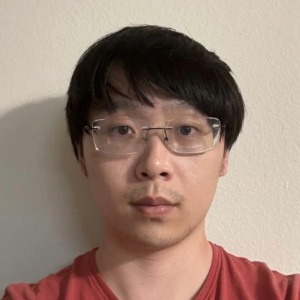
Graduate Program
NeuroscienceLab/Principle Investigator
AJ RobisonResearch Focus
My proposed project investigates how circuit-specific manipulation of the vHPC-NAc pathway affects neural ensemble activity in the nucleus accumbens in the context of cocaine addiction.Degrees
B.S., University of California, San Diego, 2020
M.S., University of California, San Diego, 2022
Ph.D., Michigan State University, Expected 2031
D.O., Michigan State University, Expected 2033Publications
Wang D, Chernov AV, Lam R, Wang H, Li W, Li X, Duong T, Wang S, Head BP. Neuron-targeted caveolin-1 overexpression attenuates cognitive loss and pathological transcriptome changes in symptomatic Alzheimer's disease models. Signal Transduct Target Ther. 2025 May 28;10(1):172. doi: 10.1038/s41392-025-02258-z. PMID: 40425572; PMCID: PMC12117040.Wang D, Li X, Li W, Duong T, Wang H, Kleschevnikova N, Patel HH, Breen E, Powell S, Wang S, Head BP. Nicotine inhalant via E-cigarette facilitates sensorimotor function recovery by upregulating neuronal BDNF-TrkB signalling in traumatic brain injury. Br J Pharmacol. 2024 Sep;181(17):3082-3097. doi: 10.1111/bph.16395. Epub 2024 May 2. PMID: 38698493.
Wang, S.; Ichinomiya, T.; Terada, Y.; Wang, D.; Patel, H.H.; Head, B.P. Synapsin-Promoted Caveolin-1 Overexpression Maintains Mitochondrial Morphology and Function in PSAPP Alzheimer’s Disease Mice. Cells 2021, 10, 2487. https://doi.org/10.3390/cells10092487
Wang S, Ichinomiya T, Savchenko P, Devulapalli S, Wang D, Beltz G, Saito T, Saido TC, Wagner SL, Patel HH, Head BP. Age-Dependent Behavioral and Metabolic Assessment of AppNL-G-F/NL-G-F Knock-in (KI) Mice. Front Mol Neurosci. 2022 Jul 29;15:909989. doi: 10.3389/fnmol.2022.909989. PMID: 35966019; PMCID: PMC9373872.
Wang, S., Ichinomiya, T., Savchenko, P., Wang, D., Sawada, A., Li, X., Duong, T., Li, W., Bonds, J.A., Kim, E.J., Miyanohara, A., Roth, D.M., Patel, H.H., Patel, P.M., Tadokoro, T., Marsala, M., Head, B.P. (2022). Subpial delivery of adeno-associated virus 9-synapsin-caveolin-1 (AAV9-SynCav1) preserves motor neuron and neuromuscular junction morphology, motor function, delays disease onset, and extends survival in hSOD1G93A mice. Theranostics, 12(12), 5389-5403. https://doi.org/10.7150/thno.72614.
Presentations
"Oral Presentation at Experimental Biology (2023):
Wang, D., Head, B. and Wang, S. (2022), Age-dependent behavioral and neuropathological assessment of analysis of AppNL-G-F/NL-G-Fknock-in (KI) mice. The FASEB Journal, 36:. https://doi.org/10.1096/fasebj.2022.36.S1.R4219" -
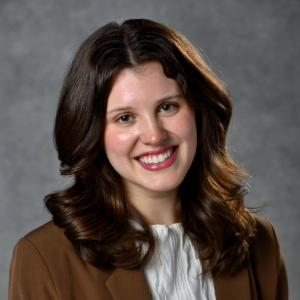
Graduate Program
Biomedical EngineeringLab/Principle Investigator
Dr. Christopher ContagResearch Focus
I am interested in developing better methods of bone grafting to improve both the healing process and our ability to monitor it.Degrees
B.S., University of Michigan, 2023
Ph.D., Michigan State University, Expected 2031
D.O., Michigan State University, Expected 2033Professional Organizations
APSAPublications
Kabadas FB, Wessels E, Buckles M, Capobianco C, Schroeder L, Ford AJ, Cragg K, Noorily J, Deshmukh T, Hart M, Shaw S, Donneys A, Novak S, Wagley Y, Kalajzic I, Hankenson KD. Jagged ligand expression by alpha-SMA progenitors is required for normal fracture healing. Bone. 2026 Apr 6;208:117877. doi: 10.1016/j.bone.2026.117877. PMID: 41951117.Alexis Donneys, Keshav Lalchandani, Noah S Nelson, Melissa Daniel, Kevin Urlaub, Jeremy Lynn, Kyle Cragg, Emma Wessels, Laird Forrest, Mark Cohen, Steven R Buchman. Ferroximend Improves Non-Vascularized Bone Graft Incorporation in the Irradiated Rat Mandible, Annals of Plastic Surgery, 95(1): p93-99, July 2025. doi: 10.1097/SAP.0000000000004355. PMID: 40498974.
Meredyth Bowman, Gracie Sclamberg, Emma Wessels, Kyle Cragg, Alexis Donneys, Kurt D. Hankenson, Mark E. Hake, Andrea I. Alford. Paracrine influence of Masquelet’s induced membrane on marrow derived mesenchymal stem cells, Journal of Orthopaedic Surgery, February 2025. https://doi.org/10.1002/jor.26053.
Presentations
Emma Wessels, Jeremy Hix, Adam Lauver, Rob Ferrier, Kendell Pawelec. Longitudinal In Vivo Assessment of Implants Composed of Iodinated Poly(ethylene oxide) and Poly(lactic-co-glycolic) Acid. Oral presentation at the Michigan State University Graduate Academic Conference, February 21, 2026 – East Lansing, MI.Emma Wessels, Keshav Lalchandani, Andrew Coon, Conor Locke, Louis Marr, Claudia Loebel, Brian Love, Jaimo Ahn, Brandi Hartley, Kurt D. Hankenson, Ken Kozloff, Alexis Donneys. Osteo-Sleeve Enhances Bone Bridging in Long Bone Critical-Sized Defect Reconstruction. Poster presentation at the Henry Ford + MSU Musculoskeletal Research Retreat, June 17, 2025 – East Lansing, MI.
Emma Wessels, Keshav Lalchandani, Andrew Coon, Conor Locke, Louis Marr, Claudia Loebel, Brian Love, Jaimo Ahn, Brandi Hartley, Kurt D. Hankenson, Ken Kozloff, Alexis Donneys. Osteo-Sleeve Enhances Bone Bridging in Long Bone Critical-Sized Defect Reconstruction. Poster presentation at the University of Michigan Musculoskeletal Health Symposium, May 30, 2025 – Ann Arbor, MI.
Emma Wessels, Kyle Cragg, Keshav Lalchandani, Alexis Donneys, Christina Capobianco, Noah Nelson, Melissa Daniel, Ivo Kalajzic, Yadav Wagley, Steven Buchman, Kurt D. Hankenson. Jagged-1 Improves Bone Graft Incorporation During Healing of Irradiated Critical Size Bone Defects. Poster presentation at the Orthopaedic Research Society Annual Meeting, February 4, 2024 – Long Beach, CA.
E Wessels, A Donneys, L Junginger, T Maerz, K Hankenson. Skeletal Growth Abnormalities in Thrombospondins 1 and 2 Double-Knockout Mice. Poster presentation at the Undergraduate Research Opportunity Program Symposium, April 22, 2021 – Ann Arbor, MI.
Year 3 (OMS-2) Students
-
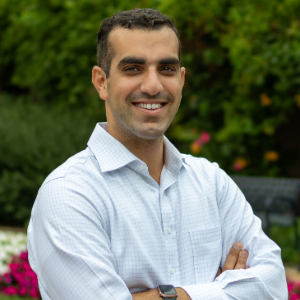
Prior to matriculating into the program, Mehdi conducted biomedical research at the National Institutes of Health (NIH) in Dr. Blake Warner's lab, where he developed a strong foundation in translational and immunological research.
His current research, under the mentorship of Dr. Andrew Olive focuses on host-pathogen interactions and immune regulation within the lung, with a particular interest in antigen presentation and epithelial cell–T cell communication. He is investigating the molecular mechanisms that regulate MHC class II expression in lung epithelial cells using CRISPR/Cas9 functional genomic screening approaches to identify novel regulators of pulmonary immune responses.
Mehdi’s long-term goal is to become an academic physician-scientist leading a research program that bridges basic immunology and clinical medicine. His PhD work combines immunology, genetics, and functional genomics to better understand how non-traditional antigen-presenting cells contribute to immune defense and disease pathogenesis.
He is particularly interested in careers within pulmonary, hematology/oncology, or academic internal medicine. Outside of medicine and research, Mehdi enjoys soccer, golf, pickleball, and spending time with family and friends. Graduate Program
Microbiology Genetics and ImmunologyLab/Principle Investigator
Dr. Andrew OliveResearch Focus
I am currently investigating the role of antigen presentation by lung epithelial cells and their interactions with T cells. My research utilizes a genome-wide CRISPR/Cas9 screening approach to identify novel regulators of MHC class II expression in immortalized lung epithelial cells, with the goal of better understanding epithelial contributions to adaptive immune responses in the lung.Degrees
B.S., University of Virginia, 2020
Ph.D., Michigan State University, Expected 2030
D.O., Michigan State University College of Osteopathic Medicine, Expected 2032Professional Organizations
Student Government Association, President and Student Trustee
COSGP National Research Committee Liaison
APSA Public Relations Member
APSA Institutional Representative
DO/PhD Student Advisory Council, Pre-clerkship Representative
MSUCOM’s Iota Chapter of Sigma Sigma PhiPublications
Pranzatelli TJF, Perez P, Ku A, Matuck B, Huynh K, Sakai S, Abed M, Jang SI, Yamada E, Dominick K, Ahmed Z, Oliver AJ, Bogle R, Easter QT, Baer AN, Pelayo E, Khavandgar Z, Kleiner DE, Magone MT, Gupta S, Lessard C, Farris AD, Burbelo PD, Martin D, Morell RJ, Zheng C, Rachmaninoff N, Maldonado-Ortiz J, Tyc KM, Qu X, Aure M, Dezfulian MH, Lake R, Teichmann SA, Barber DL, Tsoi LC, Sowalsky AG, Liu J, Gudjonsson J, Byrd KM, Johnson PLF, Chiorini JA, Warner BM. GZMK+CD8+ T cells target a specific acinar cell type in Sjögren's disease. Ann Rheum Dis. 2025 Oct 28:S0003-4967(25)04313-4. doi: 10.1016/j.ard.2025.08.014. Epub ahead of print. PMID: 41162286.
Gupta, S., Yamada, E., Nakamura, H., Perez, P., Pranzatelli, T. J., Dominick, K., Jang, S. I., Abed, M., Martin, D., Burbelo, P., Zheng, C., French, B., Alevizos, I., Khavandgar, Z., Beach, M., Pelayo, E., Walitt, B., Hasni, S., Kaplan, M. J., Tandon, M., … Warner, B. M. (2024). Inhibition of JAK-STAT pathway corrects salivary gland inflammation and interferon driven immune activation in Sjögren's disease. Annals of the rheumatic diseases, ard-2023-224842. PMID: 38527764.
Kaiyuan Sun, Viviana Loria, Amada Aparicio, Carolina Porras, Juan Carlos Vanegas, Michael Zúñiga, Melvin Morera, Carlos Avila, Arturo Abdelnour, Mitchell H. Gail, Ruth Pfeiffer, Jeffrey I. Cohen, Peter D. Burbelo, Mehdi A. Abed, Cécile Viboud, Allan Hildesheim, Rolando Herrero & D. Rebecca Prevots. Behavioral factors and SARS-CoV-2 transmission heterogeneity within a household cohort in Costa Rica. Commun Med 3, 102 (2023). PMID: 37481623.
Yiran Shen, Alexandria Voigt, Laura Goranova, Mehdi Abed, David E. Kleiner, Jose O. Maldonado, Margaret Beach, Eileen Pelayo, John A. Chiorini, William F. Craft, David A. Ostrov, Vijay Ramiya, Sukesh Sukumaran, Apichai Tuanyok, Blake M. Warner, Cuong Q. Nguyen. Evidence of a Sjögren’s disease-like phenotype following COVID-19. JCI Insight., 2023. PMID: 37676726.
Gengyu Du, Yifan Mao, Mehdi A. Abed, Lin Pu. Fluorescent recognition of l- and d-tryptophan in water by micelle probes. Mater. Chem. Front., 2020,4, 2384-2388.
Yifan Mao, Mehdi A. Abed, Nathan B. Lee, Xuedan Wu, Gengyu Du, Lin Pu. Determining the concentration and enantiomeric composition of histidine using one fluorescent probe. Chem. Commun., 2021,57, 587-590. PMID: 33345262.
Y.-Y. Zhu, X.-D. Wu, M. Abed, S.-X. Gu, L. Pu. Biphasic Enantioselective Fluorescent Recognition of Amino Acids by a Fluorophilic Probe. Chem. Eur. J. 2019, 25, 7866.Presentations
2025 Abed, M. 3rd Annual Michigan State College of Osteopathic Medicine (MSUCOM) Research Day, “Identifying Regulators of MHC-II Presentation in Lung Epithelial (BEAS-2B) Cells via a Forward Genetic Screen.” Poster Presentation. May 2025.
2025 Abed, M. Association of American Physicians/ The American Society for Clinical Investigation/The American Physician Scientists Association Joint Meeting, “Identifying Regulators of MHC-II Presentation in Lung Epithelial (BEAS-2B) Cells via a Forward Genetic Screen.” Poster Presentation. April 2025.
2024 Abed, M. American Association for Dental, Oral, and Craniofacial Research Conference, “Granzyme K Drives Innate Immune Signaling in Sjogren’s Disease.” Poster Presentation. March 2024.
2024 Abed, M. NIH/FDA Immunology Interest Group 2024 Retreat. “Granzyme K Drives Innate Immune Signaling in Sjogren’s Disease” Poster Presentation. January 2024.
2023 Abed, M. NIH Salivary Interest Group. “Role of cGAS-STING Pathway Activation in Sjogren’s Disease” Invited Speaker. May 2023.
2023 Abed, M. NIH Three Minute Talk (TMT) Competition. cGAS-STING Pathway Drives IFN Production in Sjögren’s Disease” Invited Speaker. May 2023
2023 Abed, M. NIH Postbac Seminar Series “The Role of the cGAS-STING Pathway Activation in Sjögren’s Disease: Driver of IFN Production and Putative Therapeutic Target.” Oral Presentation & Poster. April 2023.
2023 Abed, M. American Association for Dental, Oral, and Craniofacial Research Conference, “The Role of the cGAS-STING Pathway Activation in Sjögren’s Disease: Driver of IFN Production and Putative Therapeutic Target.” Invited Speaker. March 2023.
2022 Abed, M. NIH Three Minute Talk (TMT) Competition. cGAS-STING Pathway Drives IFN Production in Sjögren’s Disease” Invited Speaker. May 2022
2022 Abed, M. National Institute of Dental and Craniofacial Research (NIDCR) Data Session Retreat. “The Role of the cGAS-STING Pathway Activation in Sjögren’s Disease: Driver of IFN Production and Putative Therapeutic Target.” Invited Speaker. May 2022.
2022 Abed, M. National Institute of Dental and Craniofacial Research (NIDCR) Scientific Retreat “cGAS-STING Pathway Drives IFN Production in Sjögren’s Disease” Invited Speaker. April 2022
2022 Abed, M. NIH Postbac Seminar Series “The Role of the cGAS-STING Pathway Activation in Sjögren’s Disease: Driver of IFN Production and Putative Therapeutic Target.” Oral and Poster Presentation. April 2022.
2020 Abed, M. University of Virginia Poster Seminar “Understanding the Role of Putative Base Catalyst Residues in PGI Activity via Mutagenesis of E281” Oral and Poster Presentation. April 2020 -
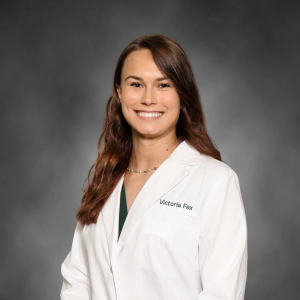
Graduate Program
NeuroscienceLab/Principle Investigator
Dr. AJ RobisonResearch Focus
Investigating the role of the vHPC to BLA circuit and its role in anxiety phenotypes in a mouse model.Degrees
B.S., Michigan State University, 2023
Ph.D., Michigan State University, Expected 2030
D.O., Michigan State University College of Osteopathic Medicine, Expected 2032Professional Organizations
ACOS, NeurosurgeryPublications
Fry, BR, Russell, N, Fex, VK, et al. & Johnson, AW. Devaluing memories of reward: A case for dopamine. Manuscript accepted to Communications Biology. 2025. *First three authors share first authorship.
Mo, B, Fex, VK, McQueeney, A, et al. & Johnson, AW. The mesolimbic reward pathway is necessary for disruptions in cocaine-seeking following mediated devaluation. Manuscript under review in Neuropsychopharmacology 2025.
Fry, BR, Fex, VK, Sawa, A, et al. & Johnson, AW. The role of midbrain dopamine cells projecting to the insular cortex in mediated performance: Implications for animal models of reality testing. Behavioral Neuroscience. 2024.Presentations
Fex, VK, Eagle, A, Sugimoto, C, et al. & Robison, AJ. Gene expression and sex hormones related to membrane properties of the vHPC to BLA circuit and anxiety phenotypes. Presented at the American Physician Scientists Association Joint Meeting, April 2026.
Fex, VK, Eagle, A, Sugimoto, C, et al. & Robison, AJ. Investigating the role of the vHPC to BLA circuit in stress and anxiety. Presented at the Graduate Neuroscience Program Recruitment. Michigan State University, January 2025.
Fex, VK, Mo, B, Lee, J, et al. & Johnson, AW. Mesolimbic circuitry is integral for the devaluation of cocaine-seeking behavior. Presented at the University Undergraduate Research and Arts Forum (UURAF). Michigan State University, April 2024.
Fex, VK, Mo, B, Lee, J, et al. & Johnson, AW. Disrupting cocaine-seeking by devaluing the memory of cocaine reward through mesolimbic circuitry. Presented at Mid-Michigan Symposium for Undergraduate Research Experiences (Mid-SURE). Michigan State University, July 2023.
Fex, VK, Fry, BR, & Johnson, AW. Characterizing midbrain dopamine projections to insular cortex in Disrupted in Schizophrenia 1 Mice. Presented at the University Undergraduate Research and Arts Forum (UURAF). Michigan State University, April 2022.
*Received a first place award
Fex, VK, Fry, BR, & Johnson, AW. Characterizing midbrain dopamine projections to insular cortex in Disrupted in Schizophrenia 1 Mice. Presented at the Lyman Briggs Research Symposium. Michigan State University, April 2022.
*Received a first place award -
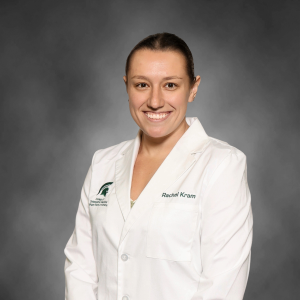
Graduate Program
Molecular, Cellular & Integrative PhysiologyLab/Principle Investigator
Stephanie WattsResearch Focus
Investigation and development of a serotonin-like molecule as a treatment for resistant hypertension.Degrees
B.A., University of Minnesota, 2022
Ph.D., Michigan State University, Expected 2030
D.O., Michigan State University College of Osteopathic Medicine, Expected 2032Professional Organizations
APSA
APSPublications
Kram RE, Garver H, Fink GD, Watts SW. 5-Hydroxytryptamine may be a viable treatment option for hypertension resistant to diuretic treatment. Am J Physiol Heart Circ Physiol. 2025 Oct 1;329(4):H838-H843. doi: 10.1152/ajpheart.00520.2025. Epub 2025 Aug 20. PMID: 40833890; PMCID: PMC12432988.Lauar MR, Almutlaq RN, Guntipally S, Anidu BS, Kram R, Ross J, Osborn JW, Dayton A, Evans LC. Removing interoceptive input from the kidney to the brain reduces salt appetite in DOCA hypertensive rats. Kidney Int. 2024 Dec;106(6):1181-1185. doi: 10.1016/j.kint.2024.08.033. Epub 2024 Oct 5. PMID: 39370041; PMCID: PMC11585427.
Rogers, Colette B., et al. “Fanconi anemia-associated chromosomal radial formation is dependent on polθ-mediated alternative end joining.” Cell Reports, vol. 42, no. 5, 2023, p. 112428, https://doi.org/10.1016/j.celrep.2023.112428.
Rogers CB, Leung W, Baxley RM, Kram RE, Wang L, Buytendorp JP, Le K, Largaespada DA, Hendrickson EA, Bielinsky AK. Cell type specific suppression of hyper-recombination by human RAD18 is linked to PCNA K164 ubiquitination. bioRxiv [Preprint]. 2024 Sep 3:2024.09.03.611050. doi: 10.1101/2024.09.03.611050. PMID: 39282285; PMCID: PMC11398407.
Poster Presentations
APS Summit 2025
MSUCOM Research Day, 2025
MSU Physiology Research Day -
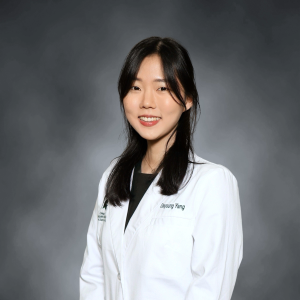
Her previous research focused on investigating the effects of endurance exercise training on abdominal subcutaneous adipose tissue remodeling in adults with overweight or obesity. In the Laumet Lab, her current work centers on cisplatin-induced kidney injury (CIKI), with a particular emphasis on neuro-immune interactions. She investigates the effects of ablating specific cell types, including neutrophils, monocytes, and sensory neurons.
She is still exploring potential medical specialties and remains open to various fields. As a physician-scientist, she is particularly interested in identifying mechanisms of treatment-related toxicity as they relate to immune physiology and leveraging these insights to develop safer, more effective therapeutic strategies that enhance patient outcomes and quality of life.
Outside of her academic work, she enjoys spending time cooking, walking in nature, caring for flowers and plants, playing the piano and the violin, and being involved in her church community.
Graduate Program
Molecular, Cellular & Integrative PhysiologyLab/Principle Investigator
Geoffroy LaumetResearch Focus
My research project explores the role of neuroimmune communications in Cisplatin-induced nephrotoxicity, a significant side effect of this widely used chemotherapeutic agent.Degrees
B.S., University of Michigan - Ann Arbor, 2023
Ph.D., Michigan State University, Expected 2030
D.O., Michigan State University College of Osteopathic Medicine, Expected 2032Professional Organizations
CMDAPublications
Ahn, C., Zhang, T., Yang, G. et al. Years of endurance exercise training remodel abdominal subcutaneous adipose tissue in adults with overweight or obesity. Nat Metab 6, 1819–1836 (2024). https://doi.org/10.1038/s42255-024-01103-x
Ahn, C., Zhang, T., Rode, T., Yang, G., et al. (2025). Acute session of three endurance exercise intensities alters subcutaneous adipose tissue transcriptome in regular exercisers [Preprint]. bioRxiv. https://doi.org/10.1101/2025.05.02.651890
PMID: 40654849 PMCID: PMC12247987 DOI: 10.1101/2025.05.02.651890Presentations
Michigan Osteopathic Association Spring 2025 Annual Scientific Research Exhibit Competition, "TRPV1-Expressing Sensory Neurons Attenuates Cisplatin-Induced Kidney Injury (CIKI) and Inflammation”
Year 4 (G2) Students
-
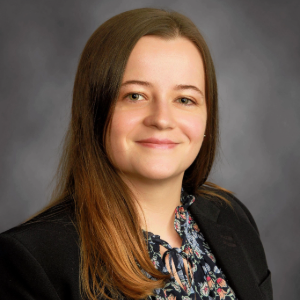
At Michigan State University, Jade’s current research focuses on identifying antibiotic resistance genes and virulence factors associated with the transmission of Streptococcus agalactiae during pregnancy and labor, particularly in settings where antibiotic prophylaxis is unavailable. Her work aims to contribute to a better understanding of maternal–fetal infections and inform strategies to reduce neonatal morbidity.
Jade aspires to build a career as a physician-scientist at an academic medical center, with a focus on pediatric subspecialty care. She is passionate about integrating clinical practice with translational research to improve patient outcomes.
Outside of her academic and research pursuits, Jade enjoys reading and writing fantasy novels—she is also a published author—and remains active through swimming. She values spending time with friends and maintaining a balanced, creative lifestyle.
Graduate Program
Microbiology, Genetics, and ImmunologyDissertation Advisor(s)
Dr. Shannon ManningResearch Focus
I am using bioinformatics and genomics to investigate the antibiotic resistance genes and virulence factors associated with increased transmission of Group B Streptococcus from pregnant parent to newborn.Degrees
B.A., St Catherine University, 2022
M.B.S., University of Northern Colorado, 2023
Ph.D., Michigan State University, Expected 2029
D.O., Michigan State University College of Osteopathic Medicine, Expected 2031Professional Organizations
APSAPresentations
Investigating the genetic factors that are associated with vertical transmission of Group B Streptococcus (GBS) in Nigeria. Le Bris JE, Pell ME, Medugu N, Manning SD.
• Poster presentation. Michigan Osteopathic Association conference. Troy, MI. May 2024.
Le Bris JE, Pell ME, Medugu N, Manning SD. INVESTIGATING GROUP B STREPTOCOCCUS (GBS) GENETIC FACTORS ASSOCIATED WITH VERTICAL TRANSMISSION AND INVASIVE NEONATAL DISEASE IN NIGERIA. SMRJ. 2024;9(2). doi:10.51894/001c.123111
• Poster Presentation. MSUCOM Research Day. Novi, MI. May 2024. -
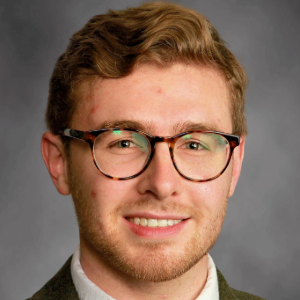
Graduate Program
Biomedical EngineeringDissertation Advisor(s)
Dana SpenceResearch Focus
I am investigating the involvement of blood cells and metabolites in multiple sclerosis.Degrees
B.S., Purdue University, 2021
Ph.D., Michigan State University, Expected 2029
D.O., Michigan State University College of Osteopathic Medicine, Expected 2031Professional Organizations
APSAPublications
Neidigh, N., Alexander, A., van Emmerik, P., Higgs, A., Plack, L., Clem, C., Cater, D., Marozkina, N., & Gaston, B. (2022). Molecules, Photolytic Measurement of Tissue S-Nitrosothiols in Rats and Humans In Vivo. https://doi.org/10.3390/molecules27041294Presentations
Hypermetabolic Red Blood Cells in Multiple Sclerosis and Potential Metabolic Consequences. ACTRIMS Young Scientist Summit (2025). -
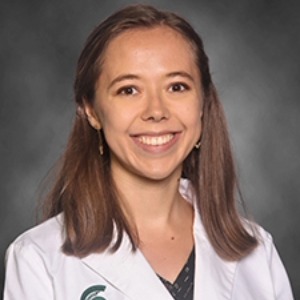
Graduate Program
Pharmacology & ToxicologyDissertation Advisor(s)
Neera Tewari-SinghResearch Focus
I am studying the effects of sulfur mustard exposure on mammalian eyes and extraocular tissue. I will be using clinical assessments, histopathology, and transcriptomics, with the goal of finding biomolecular targets for treatment options and assessing the role of the immune system in the pathology.Degrees
B.S., Calvin University, 2022
B.A. Calvin University, 2022
Ph.D., Michigan State University, Expected 2029
D.O., Michigan State University, Expected 2031Professional Organizations
American Osteopathic Association Member
Christian Medical & Dental Association Member
Gamma Theta Upsilon Geography Honor Society MemberPublications
Ebenezar Okoyeocha, Natalie Vredevoogd, Shreya Paithankar, Bryan Masino, Poojya Anantharam, Dinesh Goswami, Charlotte Madigan, Megha Suresh, Dodd Sledge, Bin Chen, Neera Tewari-Singh. (2025). Unveiling the acute toxic pathology and transcriptomic signature of ocular exposure to phosgene oxime using an in vivo mouse model: A novel pilot study. Toxicology and Applied Pharmacology. Volume 502 (117438). PMID: 40505818. https://doi.org/10.1016/j.taap.2025.117438.
Oluchukwu Okoyeocha, Natalie Vredevoogd, Shreya Paithankar, Bryan Masino, Poojya Anantharam, Dinesh Goswami, Charlotte Madigan, Megha Suresh, Dodd Sledge, Bin Chen, Neera Tewari-Singh, B-306 Exploring transcriptional changes in mouse ocular tissue exposed to phosgene oxime, Clinical Chemistry, Volume 71, Issue Supplement_1, October 2025, hvaf086.693, https://doi.org/10.1093/clinchem/hvaf086.693Presentations
A History of Michigan Forests: Human Use and Impacts. Natalie Vredevoogd, Supervised by Dr. Ralph Stearley and Dr. James Skillen. Calvin Geology, Geography, & Environment Department Seminar Series. Nov 12, 2021.
A Comparison Between an Artificial Dune and Lake Michigan Coastal Dunes. Natalie Vredevoogd, Peter Duimstra, Benjamin Adamson, Johnathan Cooper, Michael MacGillivray, Derek McClure, Hailey Postma, Delaney Sall, Emma Tuit, William Weiss. Michigan Academy of Science, Arts, & Letters (March 12, 2021) and Calvin Environmental Assessment Program Poster Session (December 3-11, 2020).
Bible Atlas Scholarship and Cartographic Functions. Natalie Vredevoogd, Edward Lambert, and Jason VanHorn. American Association of Geographers Annual Meeting, Denver, April 6-10, 2020 (Delayed due to COVID-19).
Building Online GIS Lesson Module Mashups: The Geography of Liberia and the World. Natalie Vredevoogd, Supervised by Dr. Jason Vanhorn. West Michigan Regional Undergraduate Science Research Conference. Nov 6-7, 2020.
Year 5 (G3) Students
-
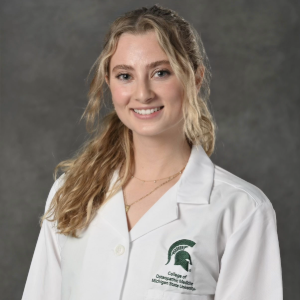
Graduate Program
Biomedical EngineeringLab/Principle Investigator
Aitor AguirreResearch Focus
Freyda’s research focuses on engineering human iPSC-derived heart organoids and assembloids to model mechanisms of cardiometabolic disease. Her work aims to build human-relevant platforms for studying cardiovascular pathology, identifying therapeutic mechanisms, and improving translational modeling of complex cardiometabolic conditions.Degrees
B.S. Indiana University 2021
M.S. University of South Florida 2022
Ph.D. Michigan State University Expected 2028
D.O. Michigan State University Expected 2030Professional Organizations
APSA
BME
GSAPublications
Grumelot, S., Mannering, F., Campbell, N., Ashokkumar, M. S., Howard, E. J., Serpooshan, V., Asgari, M., Latifi, N., Vali, H., Aguirre, A., & Mahmoudi, M. (2025). Investigating nanoparticle distribution and tissue architecture in male and female human cardiac organoids. SSRN. https://doi.org/10.2139/ssrn.5810028 (Co-first author)
O’Hern, C., Caywood, S., Aminova, S., Kiselev, A., Volmert, B., Cao, W., Wang, F., Dionise, M., Sewavi, M. L., Skoric, M., Basrai, H., Mannering, F., Muniyandi, P., Popa, M., Boulos, G., Wolf, K., Brown, I., Nuñez-Regueiro, I., Huang, A., Kostina, A., Squire, L., Wilkerson, C., Chalfoun, N., Park, S., Ashammakhi, N., Zhou, C., Contag, C., & Aguirre, A. (2025). Human heart-macrophage assembloids mimic immune-cardiac interactions and enable arrhythmia disease modeling. Cell Stem Cell, S1934-5909(25)00367-4. https://doi.org/10.1016/j.stem.2025.09.011
Kostina, A., Kiselev, A., Huang, A., Lankerd, H., Caywood, S., Jurado-Fernandez, A., Volmert, B., O’Hern, C., Aminova, S., Mannering, F., Juhong, A., Liu, Y., Qiu, Z., Park, S., & Aguirre, A. (2024). Self-organizing human heart assembloids with autologous and developmentally relevant cardiac neural crest-derived tissues [Preprint]. bioRxiv. https://doi.org/10.1101/2024.12.11.627627
Bazard, P., Pineros, J., Frisina, R. D., Bauer, M. A., Acosta, A. A., Paganella, L. R., Borakiewicz, D., Thivierge, M., Mannering, F. L., Zhu, X., & Ding, B. (2021). Cochlear Inflammaging in Relation to Ion Channels and Mitochondrial Functions. Cells, 10(10), 2761. https://www.mdpi.com/2073-4409/10/10/2761
Bazard, P., Pineros, J., Acosta, A. A., Thivierge, M., Paganella, L. R., Zucker, S., Mannering F. L., Modukuri S., Zhu X., Frisina R. D., & Ding, B. (2022). Post-translational modifications and age-related hearing loss. Hearing Research, 108625. https://doi.org/10.1016/j.heares.2022.108625
“The Roles of Mitochondrial Function and Mutations in Age-linked Neurodegenerative Conditions and Age-related Hearing Loss,” Authors: Freyda Mannering, Robert Frisina, Parveen Bazard, Xiao Xia Zhu, and Bo Ding, Journal: Aging, Date: Spring 2021
“Age-related Epigenetic Changes and Presbycusis, Journal: International Journal of Molecular Science, Cells, and Hearing Research,” Authors: Parveen Bazard, Jenna Pineros Valenica, Mark Bauer, Freyda Mannering, Mark Thivierge, Alejandro Acosta, Lauren Paganella, Dominika Borakiewicz, Xio Xia Zhu, Bo Ding, and Robert Frisina, Date: Summer 2021 -
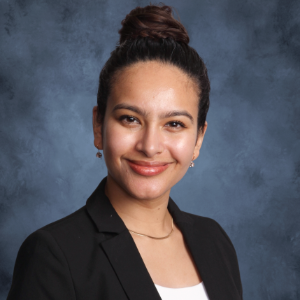
Her long-term goal is to pursue a physician-scientist career that integrates translational immunology with clinical practice. She is particularly interested in designing and leading oncology-focused clinical trials that leverage immune-based therapies. Drawing from prior experience in monoclonal antibody generation, she is motivated to study targeted therapeutic strategies and translate mechanistic findings into clinically actionable approaches.
Mahima’s future specialty interests include dermatology and hematology-oncology, where immune dys-regulation plays a central role in disease pathogenesis and treatment response. Outside of research, she enjoys hiking and trekking, as well as dancing and gardening, which provide balance alongside her academic work.
Graduate Program
Molecular, Cellular & Integrative PhysiologyLab/Principle Investigator
Andrew OliveResearch Focus
I study regulation of MHCII by Alveolar macrophages and their interaction with CD4 T cells.Degrees
B.S., Truman State University, 2020
Ph.D. Michigan State University Expected 2028
D.O. Michigan State University Expected 2030Professional Organizations
American Physician Scientist Association (2022-2030)
Michigan Physiological Society (2022-2030)Publications
Berndsen, Z. T., Akhtar, M., Thapa, M., Vickers, T. J., Schmitz, A., Torres, J. L., Baboo, S., Kumar, P., Khatoon, N., Sheikh, A., Hamrick, M., Diedrich, J. K., Martinez-Bartolome, S., Garrett, P. T., Yates, J. R., 3rd, Turner, J. S., Laird, R. M., Poly, F., Porter, C. K., Copps, J., … Fleckenstein, J. M. (2024). Repeat modules and N-linked glycans define structure and antigenicity of a critical enterotoxigenic E. coli adhesin. PLoS pathogens, 20(9), e1012241.
https://doi.org/10.1371/journal.ppat.1012241
Ankley, L. M., Conner, K. N., Vielma, T. E., Godfrey, J. J., Thapa, M., & Olive, A. J. (2024). GSK3α/β Restrain IFN-γ–Inducible Costimulatory Molecule Expression in Alveolar Macrophages, Limiting CD4+ T Cell Activation. ImmunoHorizons, 8(2), 147-162.
https://pubmed.ncbi.nlm.nih.gov/38345473/
Humphrey, C. M., Hooker IV, J. W., Thapa, M., Wilcox, M. J., Ostrowski, D., & Ostrowski, T. D. (2023). Synaptic loss and gliosis in the nucleus tractus solitarii with streptozotocin-induced Alzheimer’s disease. Brain Research, 1801, 148202.
https://pubmed.ncbi.nlm.nih.gov/36521513/
Paley, M., Deepak, P., Kim, W., Yang, M., Chandrasekaran, V., Escudero, G. O., …Thapa M., ... & Kim, A. (2022). Additional Dose of SARS-CoV-2 Vaccine Improves Cross-Variant Neutralization Titers in Immunosuppressed Patients with Chronic Inflammatory Disease. In Arthritis & Rheumatology (Vol. 74, pp. 1539-1541).
Schmitz, A. J., Turner, J. S., Liu, Z., Aziati, I. D., Chen, R. E., Joshi, A., ...Thapa, M., ... & Ellebedy, A. H. (2021). A public vaccine-induced human antibody protects against SARS-CoV-2 and emerging variants. Immunity.
https://www.ncbi.nlm.nih.gov/pmc/articles/PMC8010723/
Choreño-Parra, J. A., Jiménez-Álvarez, L. A., Ramírez-Martínez, G., Cruz-Lagunas, A., Thapa, M., Fernández-López, L. A., ... & Zúñiga, J. (2021). Expression of surfactant protein D distinguishes severe pandemic influenza A (H1N1) from Coronavirus Disease 2019. The Journal of infectious diseases, 224(1), 21-30.
https://www.ncbi.nlm.nih.gov/pmc/articles/PMC7989215/
Deepak, P., Kim, W., Paley, M. A., Yang, M., Carvidi, A. B., El-Qunni, A. A., …Thapa, M., ... & Kim, A. H. (2021). Glucocorticoids and B cell depleting agents substantially impair immunogenicity of mRNA vaccines to SARS-CoV-2. Annals Of Internal Medicine.
https://pubmed.ncbi.nlm.nih.gov/34461029/
Turner, J. S., O’Halloran, J. A., Kalaidina, E., Kim, W., Schmitz, A. J., Zhou, J. Q., ...Thapa, M., ... & Ellebedy, A. H. (2021). SARS-CoV-2 mRNA vaccines induce persistent human germinal centre responses. Nature, 596(7870), 109-113.
https://pubmed.ncbi.nlm.nih.gov/34182569/
Chen, R. E., Zhang, X., Case, J. B., Winkler, E. S., Liu, Y., VanBlargan, L. A., …Thapa, M., ... & Diamond, M. S. (2021). Resistance of SARS-CoV-2 variants to neutralization by monoclonal and serum-derived polyclonal antibodies. Nature medicine, 27(4), 717-726.
https://pubmed.ncbi.nlm.nih.gov/33664494/
Amanat, F., Thapa, M., Lei, T., Ahmed, S. M. S., Adelsberg, D. C., Carreño, J. M., ... & Krammer, F. (2021). SARS-CoV-2 mRNA vaccination induces functionally diverse antibodies to NTD, RBD, and S2. Cell, 184(15), 3936-3948.
https://pubmed.ncbi.nlm.nih.gov/34192529/
Brown, A. G., Thapa, M., Hooker IV, J. W., & Ostrowski, T. D. (2019). Impaired chemoreflex correlates with decreased c-Fos in respiratory brainstem centers of the streptozotocin-induced Alzheimer's disease rat model. Experimental Neurology, 311, 285-292.
https://pubmed.ncbi.nlm.nih.gov/30359566/Presentations
Thapa,M. Eleanor Scheeres, Andrew J Olive (2025, 2026). “CIC is a negative regulator of MHCII expression and inflammatory responses in alveolar macrophages”.
Cold Spring Harbour Meeting: Gene Expression & Signaling in the Immune System 2026, NY.
American Physician-Scientist Association Conference 2026, Chicago IL.
MSUCOM Research Day 2026, Novi MI. (INVITED TALK)
Thapa, M., Olive A (2023). “Using a CRISPR-mediated gain-of-function approach in macrophages to dissect interactions with CD4+ T cells.”
American Physician-Scientist Association Conference 2023, Chicago IL.
MSUCOM Research Day 2023, Novi MI.
Thapa, M., Trivedi M, Ostrowski TD (2020). “Progression of Chemoreflex (Dys-)function in the Streptozotocin-Induced Rat Model for Alzheimer’s Disease.”
Experimental Biology 2020, San Diego, CA.
Thapa, M., Madej B, Martin E (2018). “High performance pharmacokinetic simulations for drug discovery: Efficiently searching for potent and easily absorbed drug candidate”,
Leadership Alliance National Symposium (LANS) 2018, Hartford CT.
Novartis Institute for BioMedical Research Poster Presentation 2018, Emeryville CA.
Brown, AG., Thapa, M., Hooker, JW IV, Ostrowski TD (2018). “Impaired Chemoreflex Response to Acute Hypoxia Correlates with Decreased Activation of the Medial Nucleus Tractus Solitarii in the STZ‐Induced Rat Model of Alzheimer's Disease”
Experimental Biology 2018, San Diego, CA. -
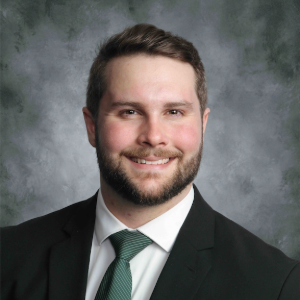
Michael attended Michigan State University as an undergrad, where he studied Biomedical Laboratory Science concentrating in Medical Microbiology with a minor in Bioethics. He worked in the lab of Dr. Neal Hammer, Ph.D., where he investigated methicillin resistant Staphylococcus aureus (MRSA) nutrient sulfur acquisition. Following graduation, he continued his work in The Hammer Lab.
His career goals are to match into a research focused internal medicine or pathology residency, where he will be able to investigate host-pathogen interactions or inflammatory disease host directed therapies.
Outside of science, he enjoys spending time with his wife, Christi, and their two cats. He also trains for triathlons and grows fruits and vegetables in his garden.Graduate Program
Microbiology, Genetics, and ImmunologyLab/Principle Investigator
Andrew OliveResearch Focus
The alveolar macrophage is the first line of defense against external insults to the lungs. I study how alveolar macrophages influence inflammation and Mycobacterium tuberculosis infection.Degrees
B.S., Michigan State University, 2021
Ph.D., Michigan State University, Expected 2028
D.O., Michigan State University, Expected 2030Professional Organizations
Student Osteopathic Medical Association (SOMA)
American Physician Scientist Association (APSA)
American College of Osteopathic Internists (ACOI)Publications
Lensmire, J. M., Dodson, J. P., Hsueh, B. Y., Wischer, M. R., Delekta, P. C., Shook, J. C., Ottosen, E. N., et al. (2020). The Staphylococcus aureus Cystine Transporters TcyABC and TcyP Facilitate Nutrient Sulfur Acquisition during Infection. Infection and Immunity, 88(3).
Lensmire, J. M., Wischer, M. R., Sosinski, L., et al. (2021). Staphylococcus aureus nutrient sulfur acquisition targets glutathione and promotes interspecies competition. PLoS Genet 19(7): e1010834.
Year 6 (G4) Students
-
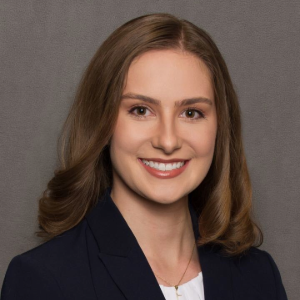
Graduate Program
Cell & Molecular BiologyLab/Principle Investigator
Ripla Arora, Ph.D.Research Focus
Kaylie's research seeks to understand the role of T-box transcription factors in fetal lung development and mesenchymal differentiation using a transgenic mouse model.Degrees
B.S., Physiology, Michigan State University, 2019
B.S., Genomics & Molecular Genetics, Michigan State University, 2019
M.S. Microbiology, Michigan State University, 2020
Ph.D., Cell & Molecular Biology, Michigan State University, Expected 2027
D.O., Michigan State University College of Osteopathic Medicine, Expected 2029Professional Organizations
TBX4Life, 2023-Current
American College of Osteopathic Obstetricians and Gynecologists, 2023-Current
American Congress of Obstetricians and Gynecologists, 2023-Current
American Physician Scientist Association, 2023-2028
Society for Developmental Biology, 2023-Current
Society for Maternal-Fetal Medicine, 2023-2024
Michigan Osteopathic Association, 2020-Current
American Osteopathic Association, 2020-CurrentPublications
Root-Bernstein R, Chiles K, Huber J, Ziehl A, Turke M, Pietrowicz M. Clostridia and Enteroviruses as Synergistic Triggers of Type 1 Diabetes Mellitus. Int J Mol Sci. 2023 May 6;24(9):8336. doi: 10.3390/ijms24098336. PMID: 37176044; PMCID: PMC10179352.Presentations
“Loss of TBX4 and TBX5 Causes Excess and Ectopic Smooth Muscle Differentiation in the Embryonic Lung”
4th Annual James J. Ireland Endowed Lectureship & RDSP Research Day 10/07/2025 | Poster | East Lansing, MI20th International Congress of Developmental Biology
06/20/2025 | Poster | San Juan, PRMichigan Osteopathic Association Annual Scientific Research Exhibit 05/17/2025 | Poster | Novi, MI
“T-box Genes Regulate Mesenchymal Cell Fate Specification in the Developing Lung”, Reproductive & Developmental Sciences Training Program Annual Research Day
01/13/2026 | Oral Presentation | Michigan State University, East Lansing, MI
Michigan State University College of Osteopathic Medicine Research Day 05/13/2025 | Poster | Novi, MI
American Physician Scientist Association/American Society for Clinical Investigation/Association of American Physicians Joint Meeting 04/26/2025 | Poster | Chicago, IL
18th International Conference on Neonatal & Childhood Pulmonary Vascular Disease
3/29/2025 | Oral Presentation | University of California San Francisco, San Francisco, CA
Comprehensive Exam Seminar, Cell & Molecular Biology Graduate Program
11/14/2024 | Oral Presentation | Michigan State University, East Lansing, MI
“Disrupted Mesenchymal Cell Fate Specification in Tbx4/5-Deficient Lungs”, Michigan Alliance for Reproductive Technologies and Sciences Conference
11/15/2024 | Poster | University of Michigan Towsley Center, Ann Arbor, MI
Reproductive & Developmental Sciences Training Program Annual Research Day
09/10/2024 | Oral Presentation | Michigan State University, East Lansing, MI
“Conditional Deletion of Tbx4/5 Causes Pulmonary Hypertension Through Disrupted Epithelial, Vascular, and Smooth Muscle Development”, Michigan State University College of Osteopathic Medicine Research Day
04/11/2024 | Poster | Novi, MI
“The Superovulated Mouse: Elevated Ovarian Hormones Disrupt Uterine Structure and Embryo Implantation”, Michigan Alliance for Reproductive Technologies and Sciences Conference
10/06/2023 | Poster | Michigan State University Secchia Center, Grand Rapids, MI
Society for Developmental Biology 82nd Annual Meeting
07/21/2023 | Poster | Chicago, IL
Michigan State University College of Osteopathic Medicine Research Day 05/15/2023 | Poster | Novi, MI
American Physician Scientist Association/American Society for Clinical Investigation/Association of American Physicians Joint Meeting 04/22/2023 | Poster | Chicago, IL
IQ Research Day, Institute for Quantitative Health Science and Engineering 04/17/2023 | Poster | Michigan State University, East Lansing, MI
American Physician Scientist Association, MSUCOM Chapter Fall Research COMference
11/07/2022 | Poster | Michigan State University College of Osteopathic Medicine, East Lansing, MI
Michigan Alliance for Reproductive Technologies and Sciences Conference
09/16/2022 | Poster | Wayne State University, Detroit, MI
Reproductive and Developmental Science Program 5th Annual Research Day
04/14/2022 | Poster | Michigan State University, East Lansing, MI
Master’s Thesis Defense, “Autoreactive and Cross-Reactive Antibodies Elucidate Potential Microbial Triggers of Type 1 Diabetes”
Department of Microbiology & Molecular Genetics
05/14/2020 | Oral Presentation | Michigan State University, East Lansing, MI -

Graduate Program
Molecular, Cellular & Integrative PhysiologyLab/Principle Investigator
Leinninger LabResearch Focus
My research focuses on the intersection of obesity and pain, understanding how weight status impacts pain status. Mice fed a high fat diet develop comorbid obesity and pain and I am trying to understand how high fat diet disrupts the descending pain pathway in this model.Degrees
B.S., Allegheny College, 2016
Ph.D., Michigan State University, Expected 2027
D.O. Michigan State University College of Osteopathic Medicine, Expected 2029Professional Organizations
APSA
ASA
Obesity SocietyPublications
Pence A, et al including McGrath M. Competitive Interactions Between Propofol and Diazepam: Studies in GABAA Receptors and Zebrafish. J Pharmacol Exp Ther, 238-245.Pence A, McGrath M, Lee S, Raines D. Pharmacologic Management of Severe Cushing’s Syndrome: The Role of Etomidate. Ther Adv Endocrinol Metab.
McGrath M, et al. Competitive Antagonism of Etomidate Action by Diazepam: In Vitro GABAA Receptor and In Vivo Zebrafish Studies. Anesthesiology, 583-594.
McGrath M, Tolia M, Raines DE. The effects of a competitive antagonist on GABA-evoked currents in the presence of sedative hypnotic agents. Pharmacol Rep, 260-266.
McGrath M, Pence A, Raines DE. Computational Approaches to Anesthetic Drug Discovery. Trends Pharmacol Sci, 809-811.
McGrath M, Hofmann A, Raines DE. Behavioral and steroidogenic pharmacology of phenyl ring substituted etomidate analogs in rats. BMC Pharmacol Toxicol. 20, 48
Valk B, et al. including McGrath M. Toxicological and Inhibitory 2019 Receptor Actions of the Etomidate Analog ABP-700 and its Metabolite CPM-Acid. Anesthesiology, 287-304.
McGrath M, et al. Etomidate and Etomidate Analog Binding and Positive Modulation of γ-Aminobutyric Acid Type A Receptors: Evidence for a State-dependent Cutoff Effect. Anesthesiology, 959- 969.
McGrath M, and Raines DE. Anesthetic Drug Discovery and Development: A Case Study of Novel Etomidate Analogs. Methods Enzymol, 153-169.
McGrath M, Ma C, Raines DE Dimethoxy-etomidate: A Nonhypnotic Etomidate Analog that Potently Inhibits Steroidogenesis. J Pharmacol Exp Ther, 229-237.
Ma C, et al. including McGrath M. Competitive Antagonism of Anesthetic Action at the γ-Aminobutyric Acid Type A Receptor by a Novel Etomidate Analog with Low Intrinsic Efficacy. Anesthesiology, 824-837.
Presentations
GABAA Receptor Actions of ABP-700 and its Carboxylic Acid Metabolite CPM-Acid: Implications for Toxicological Studies and Clinical Development — AUA and IARS Poster Presentation 2019Differential Inhibition of Steroidogenesis by Etomidate and Etomidate Analogs in Adult Male Rats — IARS Poster Presentation 2019
Zimmerman A, Gregory B, McGrath M, Beatty J, Cox C. Intrinsic Properties and Synaptic Activity of Striatal Spiny Projection Neurons in a Mouse Model of Autism. Michigan State University Undergraduate Research and Arts Forum, East Lansing, MI, April 8th 2022. POSTER
Young O, McGrath M, Beatty J, Cox C. Burst Frequency Differences in TRN Neurons Based on Anatomical Location. Michigan State University Undergraduate Research and Arts Forum, East Lansing, MI, April 11th 2025. POSTER
Multiple actions of neurosteroids in thalamic neurons of Sprague Dawley rats - APSA Poster Presentation 2026
Year 7 (OMS-3) Students
-

Dr. Joseph’s research program centers on building transcriptomic drug signature databases and pathomics-based disease characterization tools for precision medicine applications. He developed MetaDrugSig, a comprehensive drug transcriptomic signature database spanning over 1,000 drugs and 63,000 genes, submitted to Oxford Database. His published work includes multi-cohort analyses of colorectal cancer integrating immune microenvironment, ancestry, and whole-slide image pathomics. He is an NIH diversity supplement awardee and recipient of the API Summit 2026 Travel Award.
Prior to medical school, Dr. Joseph trained as a research analyst under Dr. Ellen Li at Stony Brook University, contributing to gastrointestinal cancer and microbiome research. He serves as a peer reviewer for Journal of Pathology Informatics, Scientific Data (Nature) and the ACM SIGKDD conference, and holds memberships in API, AMIA, CAP, USCAP, and AACR. He is pursuing AP/CP pathology residency with fellowship interests in pathology informatics and molecular genetic pathology.
Graduate Program
Pharmacology and ToxicologyDissertation Advisor(s)
Bin Chen, Ph.D. (Dissertation)
AJ Robison, Ph.D. (Co-advisor)Research Focus
Dr. Joseph’s research centers on biological heterogeneity as a useful signal in precision medicine. His work spans computational pharmacology, pathomics, and clinical informatics, with applications in oncology and drug repurposing.Degrees
B.S., Human Biology, University at Albany (SUNY), 2011
M.S., Biochemistry & Cell Biology, Stony Brook University, 2017
Ph.D., Michigan State University, 2026
D.O., Michigan State University College of Osteopathic Medicine, Expected 2028Professional Organizations
API, AMIA, CAP, USCAP, AACR, APSA, SNMA, MSU Pathology Interest GroupPublications
Joseph DF, Fu A, Flores RE, Sharma DV, LaComb JF, Clark JM, Li E, Liao Y, Yang J, Yu Q, Adams S, Ogunwobi OO, Theisen B, Steele NG, Chen B, Guillaume A. “The effect of African ancestry and mismatch-repair enzyme deficiency/microsatellite instability-high on colorectal adenocarcinoma immune gene expression.” Front Gastroenterol. 2025;4:1638438. doi:10.3389/fgstr.2025.1638438
Zhang X, Talukdar N, Vemulapalli S, Ahn S, Wang J, Meng H, Murtaza SMB, Leshchiner D, Dave AA, Joseph DF, et al. “Comparison of Prompt Engineering and Fine-Tuning Strategies in Large Language Models in the Classification of Clinical Notes.” AMIA Jt Summits Transl Sci Proc. 2024;2024:478–487. PMID: 38827053.
Fong C, Joseph D, Stanley S, et al. “Symptomatic Colorectal Cancer Is Associated With Stage IV Diagnosis in Two Disparate Populations.” Cureus. 2022;14(9):e28691. PMID: 36105899.
Joseph DF, Li E, Stanley SL III, et al. “Impact of type 2 diabetes on adenoma detection in screening colonoscopies performed in disparate populations.” World J Clin Cases. 2021;9(11):2433–2445. doi:10.12998/wjcc.v9.i11.2433LaComb JF, Plenker D, Tiriac H, Bucobo JC, D’souza LS, Khokhar AS, Patel H, Channer B, Joseph D, et al. “Single-Pass vs 2-Pass Endoscopic Ultrasound-Guided Fine-Needle Biopsy Sample Collection for Creation of Pancreatic Adenocarcinoma Organoids.” Clin Gastroenterol Hepatol. 2021;19(4):845–847.
Zhang Y, Cheng X, Liao Y, Adams S, Joseph DF, et al. “Effect of African ancestry on pathomics computed tumor infiltrating lymphocytes % scores from diverse cohorts of colon and rectal adenocarcinoma whole slide images.” Submitted — Frontiers in Oncology. Manuscript ID: 1855135.
Accepted / In Press
[Co-author] “Characterization of Liver Metastasis Risk and Timing in Pancreatic Cancer Patients Using Electronic Health Records.” AJE Advances: Research in Epidemiology (AJEADV-2025-083). Accepted with minor revisions.
Under Review
Joseph DF, et al. “MetaDrugSig: A Comprehensive Transcriptomic Drug Signature Database for Drug Repurposing and Pharmacovigilance.” Submitted — Database (Oxford). Zenodo DOI: 10.5281/zenodo.18840821
Preprint
Duque-Wilckens N, Joseph D, Syed M, et al. “FosB/ΔFosB activation in mast cells regulates gene expression to modulate allergic inflammation in male mice.” bioRxiv. 2025 Mar 27. doi:10.1101/2024.05.06.592755.
-
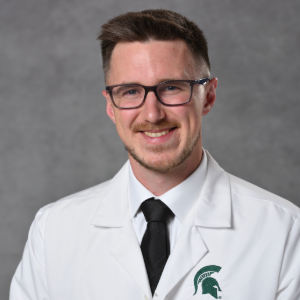
Graduate Program
Biomedical EngineeringDissertation Advisor
Aitor AguirreResearch Focus
My graduate research took place in the Aitor Aguirre lab and focused on the engineering of human pluripotent stem cell derived heart macrophage assembloids to study the roles of tissue resident macrophages in human heart development, homeostasis, and cardiovascular disease.Degrees
B.S., University of Maryland, Baltimore County, 2018
Ph.D., Michigan State University, 2026
D.O., Michigan State University College of Osteopathic Medicine, Expected 2028Professional Organizations
Co-founder and CEO of LaparAssist, Inc.
Scientific Advisor for Syntheia Labs, Inc.
Student Member of American Physician Scientist Association
Student Member of the International Society for Stem Cell ResearchPublications
O’Hern C, Dionise M, Caywood S, Sewavi M-L, Basrai H, Muniyandi P, Volmert B, Kostina A, Huang A, Chalfoun N, and Aguirre A. Protocol to generate immunocompetent human heart-macrophage assembloids for the study of immune-cardiac interactions. STAR Protocols 2026, 7, 104411. DOI: 10.1016/j.xpro.2026.104411.
O’Hern C, Caywood S, Aminova S, Kiselev A, Volmert B, Cao W, Wang F, Dionise M, Sewavi M-L, Skoric M, Basrai H, Mannering F, Muniyandi P, Popa M, Boulos G, Wolf K, Brown I, Nuñez-Regueiro I, Huang A, Kostina A, Squire L, Wilkerson C, Chalfoun N, Park S, Zhou C, Contag C, and Aguirre A. Human heart-macrophage assembloids mimic immune-cardiac interactions and enable arrhythmia disease modeling. Cell Stem Cell 2025, 32(11):1671-1690. DOI: 10.1016/j.stem.2025.09.011
Kostina A, Kiselev A, Huang A, Lankerd H, Caywood S, Jurado-Fernandez A, Volmert B, O’Hern C, Juhong A, Liu Y, Qiu Z, Park S, and Aguirre A. Self-organizing human heart assembloids with autologous and developmentally relevant cardiac neural crest-derived tissues. bioRxiv 2024. DOI: 10.1101/2024.12.11.627627
Volmert B, Kiselev A, Juhong A, Wang F, Riggs A, Kostina A, O’Hern C, Muniyandi P, Wasserman A, Huang A, Lewis-Israeli Y, Panda V, Bhattacharya S, Lauver A, Park S, Qiu Z, Zhou C, and Aguirre A. A patterned human primitive heart organoid model generated by pluripotent stem cell self-organization. Nature Communications 2023, 14(1).
Rudsari H K, O’Hern C, Ural E, Damrath M, Neeb E, Zoofaghari M, Veletić M, Louch WE, Aguirre A, Balasingham I, and Contag CH. Human heart organoid-derived extracellular vesicles for cardiac intercellular communication. NANOCOM’23 Association for Computing Machinery 2023, 122-128.
Muniyandi P, O’Hern C, Popa MA, and Aguirre A. Biotechnological advances and applications of human pluripotent stem cell-derived heart models. Frontiers in Bioengineering and Biotechnology 2023, 11(1214431).
Vilkins AL, Hadrick K, Hakun M, O’Hern C, Sanchez S, and Abood JA. Enhancing Laparoscopic Education with use of LaparAssist, a Hands-free Device Designed to Direct Learners on a Laparoscopic Monitor. Journal of Minimally Invasive Gynecology 2022, 29(11): S110–S111.
Boyd PS, Brown JB, Brown JD, Catazaro J, Chaudry I, Ding P, Dong X, Marchant J, O’Hern CT, Singh K, Swanson C, Summers MF, and Yasin S. NMR Studies of Retroviral Genome Packaging. Viruses 2020, 12(10): 1115.
Brown JB, Summers HR, Brown LA, Marchant J, Canova PN, O’Hern CT, Abbott ST, Nyaunu C, Maxwell S, Johnson T, Moser MB, Ablan SD, Carter H, Freed EO, and Summers MF. Structural and Mechanistic Studies of the Rare Myristoylation Signal of the Feline Immunodeficiency Virus. Journal of Molecular Biology 2020, 432(14): 4076–4091.
Strickland M, Catazaro J, Rajasekaran R, Strub MP, O’Hern C, Bermejo GA, Summers MF, Marchant J, Tjandra N. Long-range RNA Structural Information via a Paramagnetically Tagged Reporter Protein. Journal of the American Chemical Society 2019, 141(4): 1430–1434.Presentations
O’Hern C. Human heart-macrophage assembloids recapitulate physiological immune-cardiac interactions and enable arrhythmia disease modeling. Oral Presentation presented at: Immunology Research Symposium at Michigan State University; 2025 Oct 21; East Lansing, MI.
O’Hern C. A human heart macrophage assembloid for the study of cardiac development and arrythmias. A 3MT Oral Presentation presented at: Engineering Graduate Symposium at Michigan State University; 2025 May 8; East Lansing, MI.
O’Hern C, Caywood S, Cao W, Dionise M, Basrai H, Skoric M, Boulos G, Chalfoun N, and Aguirre A. Modeling Atrial Fibrillation in a Human Heart Macrophage Assembloid. Poster Presentation presented at: Michigan State University College of Ostepathic Medicine Research Day; 2025 May 13; Novi, MI.
O’Hern C, Caywood S, Aminova S, Kiselev A, Volmert B, Wang F, Sewavi ML, Cao W, Dionis M, Muniyandi P, Popa M, Basrai H, Skoric M, Boulos G, Huang A, Nuñez-Reguerio I, Chalfoun N, Park S, Ashammakhi N, Zhou C, Contag C, and Aguirre A. Human heart assembloids with autologous tissue-resident macrophages recreate physiological immune-cardiac interactions. Poster Presentation presented at: Association of American Physicians, American Society for Clinical Investigation, and American Physician Scientists Association Joint Meeting; 2025 Apr 26; Chicago, IL.
O’Hern C, Caywood S, Dionise M, Kiselev A, Park S, and Aguirre A. Identifying the role of macrophages during human heart development in a stem-cell derived heart organoid. Poster Presentation presented at: Biomedical Engineering Society 2024 Annual Meeting; 2024 Oct 24; Baltimore, MD.
O’Hern C, Caywood S, Sewavi M, Kiselev A, Volmert B, Park S, and Aguirre A. The Impact of Resident Macrophages on Human Cardiogenesis in a Heart Organoid Model. Poster Presentation presented at: Michigan State University College of Ostepathic Medicine Research Day; 2024 Apr 11; Novi, MI.
O’Hern C, Caywood S, Sewavi M, Kiselev A, Volmert B, Park S, and Aguirre A. The Impact of Resident Macrophages on Human Cardiogenesis in a Heart Organoid Model. Poster Presentation presented at: Association of American Physicians, American Society for Clinical Investigation, and American Physician Scientists Association Joint Meeting; 2024 Apr 5-7; Chicago, IL.
O’Hern C, Caywood S, Sewavi M, Muniyandi P, Volmert B, and Aguirre A. A Pluripotent Stem Cell Derived Human Heart Organoid with Tissue Resident Macrophages. Poster Presentation presented at: Michigan State University Immunology Research Symposium; 2023 Sep 15; East Lansing, MI.
O’Hern C, Muniyandi P, Caywood S, Sewavi M, Huang A, Volmert B, Aguirre A. Reverse Engineering Immunity During Human Heart Development Using an Advanced Organ-like Heart Platform. Poster Presentation presented at: 1st Annual Michigan State University College of Osteopathic Medicine Research Day; 2023 May 15; Novi, MI.
Vilkins AL, Hadrick K, Hakun M, O’Hern C, Sanchez S, Abood JA. Enhancing Laparoscopic Education with the Use of Laparassist, a Hands-Free Device Designed to Direct Learners on a Laparoscopic Monitor. Poster Presentation presented at: American Association of Gynecologic Laparoscopists Global Conference on Minimally Invasive Gynecologic Surgery; 2022 Dec 1-4; Aurora, CO.
O’Hern C, Muniyandi P, Caywood S, Sewavi M, Huang A, Volmert B, Aguirre A. Reverse Engineering Immunity During Human Heart Development Using an Advanced Organ-like Heart Platform. Poster Presentation presented at: 4th Annual Michigan State University Precision Health Symposium on Precision Pediatrics; 2022 Oct 7; Grand Rapids, MI.
O’Hern C, Israeli Y, Aguirre A. A Human Pluripotent Stem Cell Derived Heart Organoid for the Study of Cardiac Injury and Regeneration. Oral Presentation presented at: American Physician Scientist Association/Student Osteopathic Medical Association Spring Research Spotlight; 2021 Apr 16; East Lansing, MI.
Year 8 (OMS-4) Students
-
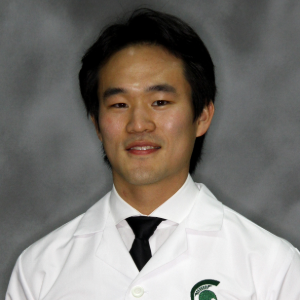
Graduate Program
Microbiology, Genetics & ImmunologyLab/Principle Investigator
Sean CrossonResearch Focus
Identification and characterization of intracellular Brucella inhibitors and host genes that support Brucella infectionDegrees
B.A., Biology Wesleyan University, 2016
Ph.D., Michigan State University, 2025
D.O., Michigan State University, Expected 2027Publications
Kim T, Scheeres EC, Fiebig A, Olive AJ, Crosson S. A genome-wide CRISPR screen defines host determinants of early Brucella infection in human macrophage-like cells. bioRxiv [Preprint]. 2026 May 19:2026.05.18.725962. doi: 10.64898/2026.05.18.725962. PMID: 42239148; PMCID: PMC13228465.
Kim T, Hong B, Northcote R, O'Halloran TV, Lisabeth E, Neubig RR, Fiebig A, Crosson S. Reversion of a RND transporter pseudogene reveals latent stress resistance potential in Brucella ovis. PLoS Genet. 2025 Jul 21;21(7):e1011795. doi: 10.1371/journal.pgen.1011795. PMID: 40690529; PMCID: PMC12306736.
Levine C, Jadhav R, Pan Y, Tsotetsi K, Wang X, Awasthi D, Grady C, Shelke A, Daher SS, Richmann T, Shrestha R, Sukheja P, Patel J, Barnett PR, Dikdan RJ, Kim T, Russo R, Hanna J, Zimmerman M, Dartois V, Freundlich JS, Alland D, Kumar P. Development of amidase-dependent pyrazinoic acid prodrugs with activity against pyrazinamide resistant Mycobacterium tuberculosis. bioRxiv. 2022:2022.07.05.496887. doi: 10.1101/2022.07.05.496887.
Wang X, Inoyama D, Russo R, Li SG, Jadhav R, Stratton TP, Mittal N, Bilotta JA, Singleton E, Kim T, Paget SD, Pottorf RS, Ahn YM, Davila-Pagan A, Kandasamy S, Grady C, Hussain S, Soteropoulos P, Zimmerman MD, Ho HP, Park S, Dartois V, Ekins S, Connell N, Kumar P, Freundlich JS. Antitubercular Triazines: Optimization and Intrabacterial Metabolism. Cell Chem Biol. 2020;27(2):172-85 e11. Epub 20191108. doi: 10.1016/j.chembiol.2019.10.010. PubMed PMID: 31711854; PMCID: PMC7035970.
Russo R, Kolesnikova I, Kim T, Gupta S, Pericleous A, Kadouri DE, Connell ND. Susceptibility of Virulent Yersinia pestis Bacteria to Predator Bacteria in the Lungs of Mice. Microorganisms. 2018;7(1). Epub 20181221. doi: 10.3390/microorganisms7010002. PubMed PMID: 30577606; PMCID: PMC6351954.